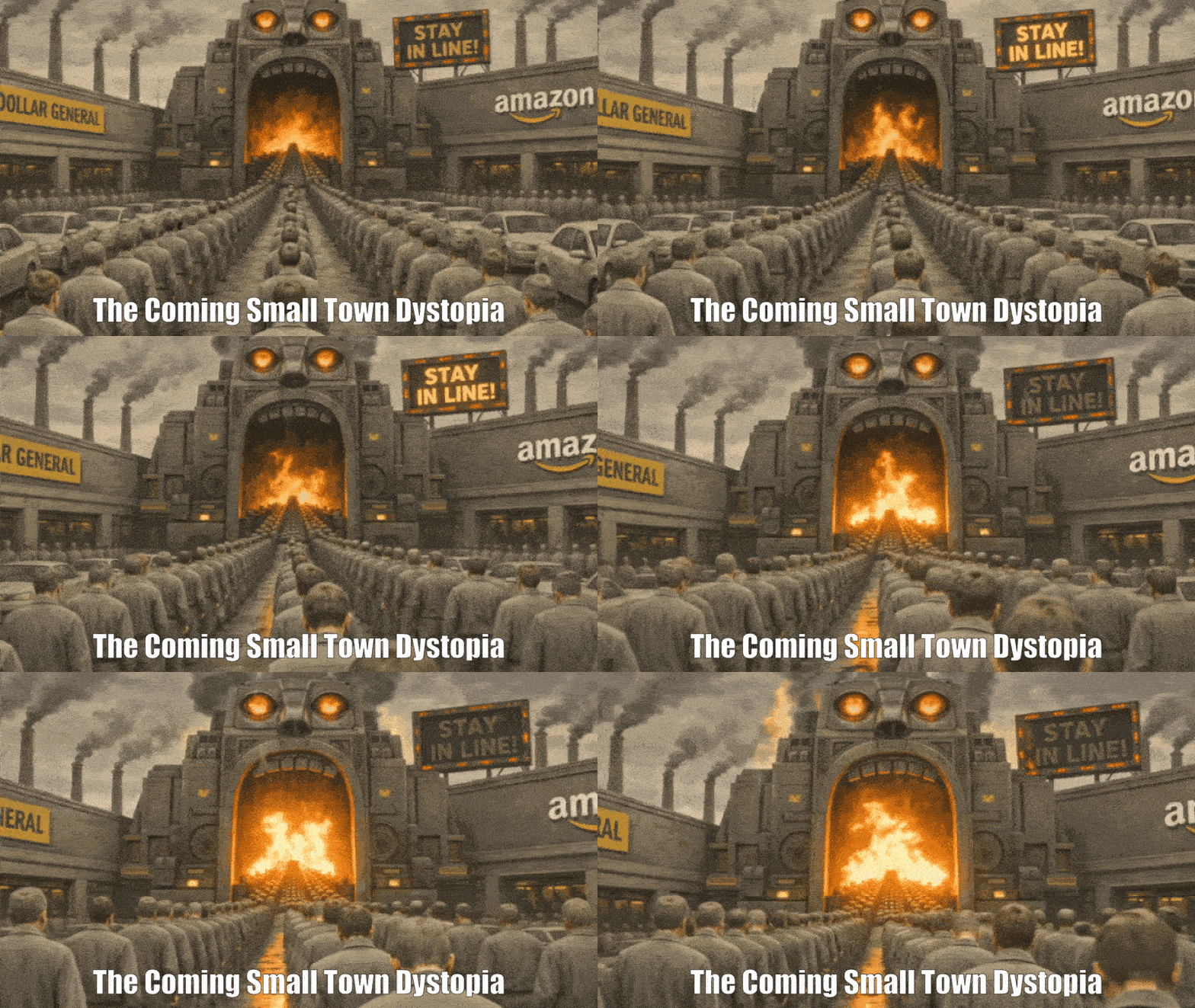
The bustling streets of Main Street, once the heart and soul of small-town America, have gradually given way to a monotonous landscape of generic corporate storefronts. The familiar mom-and-pop shops, the local bakery, and the family-owned hardware store – these vestiges of a bygone era are vanishing, replaced by the impersonal aisles of national retail chains.
This is the reality that many Americans are facing, a reality where the unique character of their communities is being slowly consumed by the relentless march of corporate homogeneity. It's a troubling trend that goes beyond just the aesthetic changes; it's a fundamental shift in the way we experience and engage with our local environments.
## The Rise of the Corporate Monoculture
As small businesses struggle to compete with the deep pockets and expansive reach of national chains, the once-vibrant diversity of our town centers is being replaced by a corporate monoculture. Towns across the country are starting to resemble each other more and more, with the same familiar logos and product offerings lining the streets.
This phenomenon is not just limited to retail; it extends to the very infrastructure and services that shape our daily lives. From the ubiquitous presence of fast-food restaurants to the consolidation of healthcare providers and financial institutions, the corporate grip on our communities is tightening.
## The Loss of Community Identity
The erosion of local businesses doesn't just mean the loss of unique shopping experiences; it's a direct attack on the very identity and character of our communities. When the familiar landmarks and institutions that once defined a town are replaced by generic corporate entities, the sense of place and belonging that residents once felt begins to erode.
This homogenization of our communities has far-reaching implications, beyond just the aesthetic changes. It undermines the social fabric that binds us together, eroding the sense of shared identity and collective investment in the well-being of our neighborhoods.
As small businesses shutter and local institutions disappear, the opportunities for community engagement, civic participation, and the cultivation of local culture diminish. The very heart and soul of a community – the unique qualities that make it distinct – are slowly being extinguished.
## Reclaiming Our Sense of Place
The fight to preserve the character of our communities is not a lost cause, however. There are glimmers of hope in the growing movement to support local businesses and champion the values of community-based economic development.
Across the country, grassroots initiatives are springing up to reinvigorate Main Street and reclaim the sense of place that has been lost. From community-led efforts to revitalize downtown areas to the rise of local artisanal markets and cooperative enterprises, there is a growing recognition that the path to a more vibrant and resilient future lies in the hands of the people, not the corporations.
By supporting local businesses, attending community events, and engaging in the civic life of our neighborhoods, we can begin to rebuild the social infrastructure that has been eroded by the corporate monoculture. It's a slow and often challenging process, but it's a vital one if we hope to preserve the unique character and identity of our communities.
The battle to save the soul of America is being fought on the streets of our small towns and urban centers, one storefront at a time. It's a battle that requires the dedication and commitment of every citizen who values the rich tapestry of local culture and the importance of a sense of place. By reclaiming our communities, we can begin to reclaim the very essence of what it means to be American.
"The truth doesn't hide. It waits for those brave enough to look."
The Wise Wolf