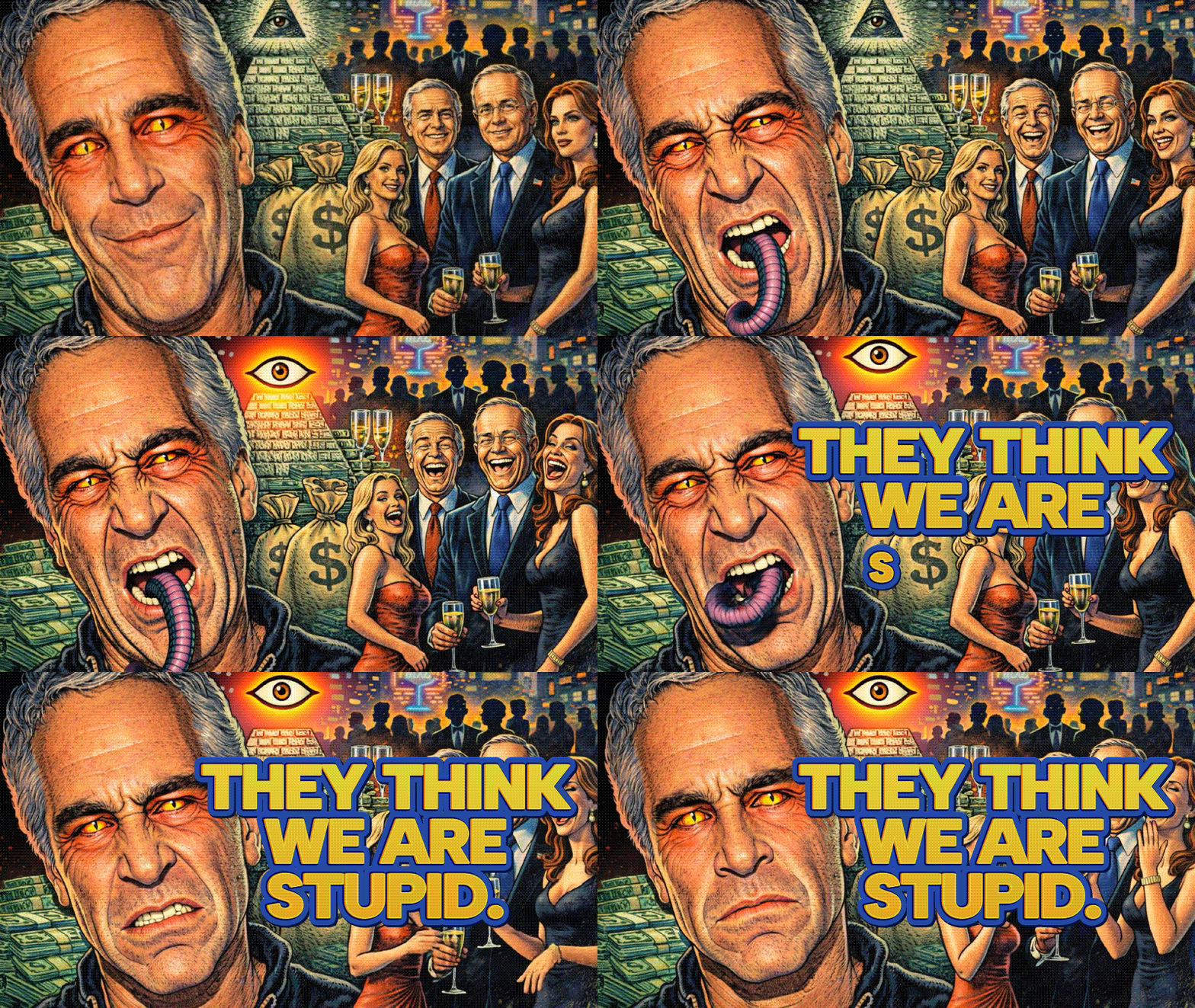
The Epstein scandal has rocked the foundations of American democracy, exposing a web of corruption and coverups that reach the highest echelons of power. Yet, as the public clamors for answers, a disturbing pattern has emerged – those who dare to shed light on the truth are facing a relentless campaign of intimidation and retaliation.
The case of the author mentioned in the source article is a stark reminder of the high price that truth-tellers often pay. Facing threats, doxxing, and even the prospect of fabricated criminal charges, this individual has risked everything to bring the Epstein saga to light. But their story is far from unique, as whistleblowers across the country are finding themselves in the crosshairs of powerful interests determined to silence them.
The Silencing of Dissent
In an age of rampant misinformation and erosion of trust in institutions, the role of whistleblowers has never been more crucial. These courageous individuals, armed with firsthand knowledge of wrongdoing, serve as a vital check on the abuse of power. Yet, as the Epstein case has shown, those who dare to speak out often find themselves facing a formidable array of tactics designed to discredit, intimidate, and ultimately silence them.
The coordinated campaign of threats and harassment described in the source article is a troubling example of the lengths to which powerful entities will go to protect their interests. By creating a climate of fear and uncertainty, they seek to deter others from following in the whistleblower's footsteps, effectively chilling the free flow of information that is essential to a functioning democracy.
The Chilling Effect on Accountability
The consequences of this silencing extend far beyond the individual whistleblower. When those who expose corruption and wrongdoing are silenced, it erodes the public's trust in institutions and the very foundations of democracy. It sends a clear message that the powerful are immune from scrutiny, and that the pursuit of truth comes at a heavy personal cost.
Moreover, the suppression of whistleblowers has a broader chilling effect on accountability. If potential witnesses and insiders are afraid to come forward, it becomes increasingly difficult to uncover the truth and hold those in power responsible. This, in turn, emboldens the corrupt and further entrenches the cycle of abuse.
The Fight for Transparency
In the face of these challenges, the battle for transparency and accountability has never been more crucial. Whistleblowers like the author in the source article must be protected and empowered, not silenced and threatened. This requires a multi-pronged approach, including:
1. Strengthening whistleblower protection laws: Comprehensive legislation that shields whistleblowers from retaliation, ensures their safety, and provides legal recourse must be a priority.
2. Fostering a culture of ethical reporting: Media outlets and investigative journalists must be steadfast in their commitment to protecting the identities and safety of their sources, even in the face of intense pressure.
3. Empowering civil society: Grassroots organizations and advocacy groups must continue to amplify the voices of whistleblowers and hold those in power accountable.
Only by safeguarding the brave individuals who risk everything to expose the truth can we truly uphold the principles of democracy and prevent the Epstein scandal from becoming a harbinger of a darker future.
"The truth doesn't hide. It waits for those brave enough to look."
The Wise Wolf