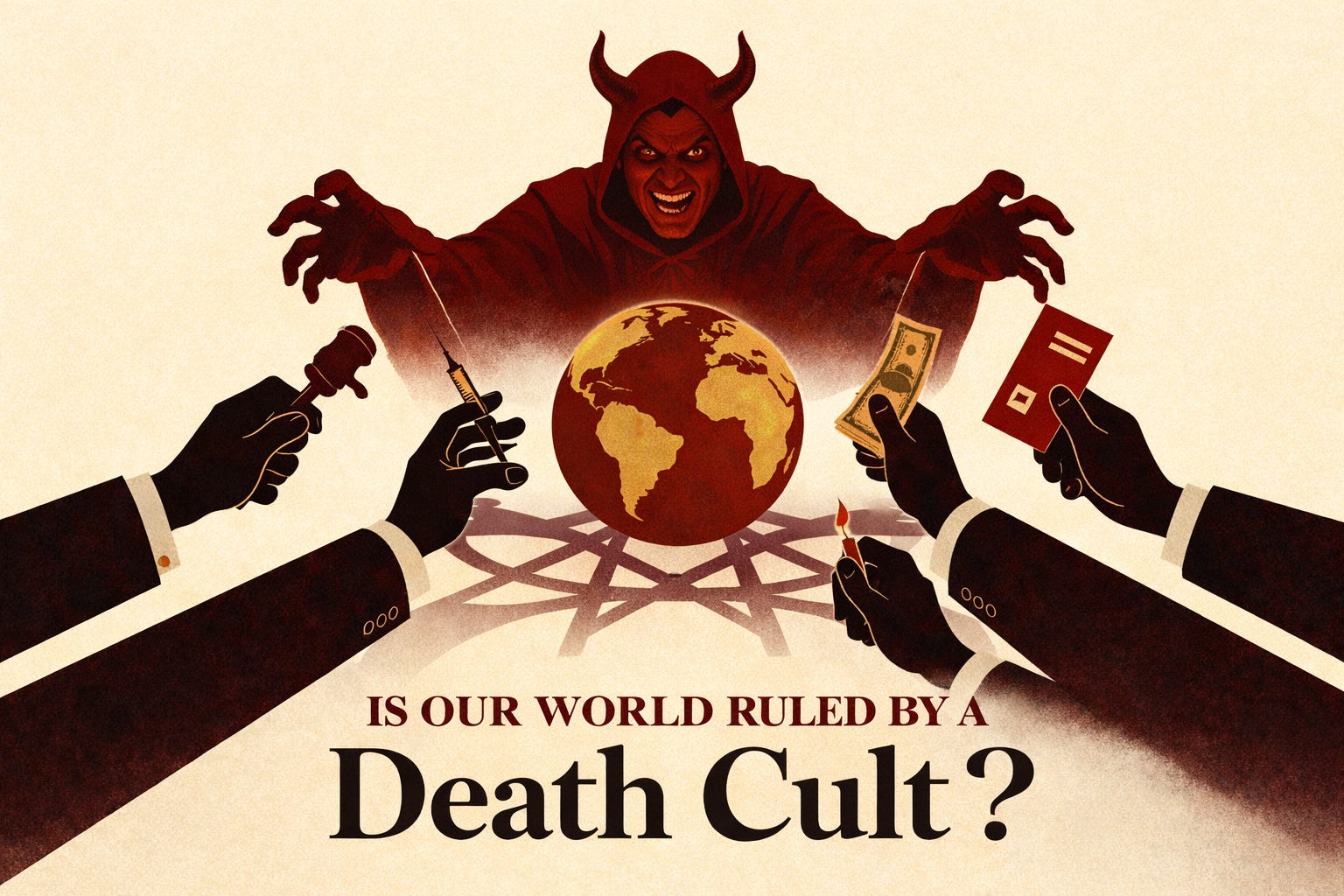
In the not-so-distant past, the mere mention of occult symbolism in mainstream entertainment would have triggered a nationwide panic, with parents and religious leaders up in arms. The Satanic Panic of the 1980s saw a fervent crackdown on anything that hinted at the supernatural or the macabre, from Dungeons & Dragons to heavy metal albums. Yet, as the decades have passed, we've witnessed a gradual normalization of these once-taboo elements, seeping into the very fabric of our popular culture.
Subhead 1: The Mainstreaming of the Occult It's no longer uncommon to see robed figures, floating eyeballs, and fiery ceremonies taking center stage at major events like the Super Bowl halftime show – spectacles that would have been unthinkable just a generation ago. The choreography and imagery employed often seem to be lifted straight from the pages of occult literature, leaving many viewers unsettled and questioning the underlying motivations.
This shift is not limited to high-profile performances; it pervades various aspects of our entertainment landscape. Television shows, music videos, and even children's cartoons now frequently incorporate occult-inspired motifs, from arcane symbols to references to dark deities. What was once relegated to the fringes has now become a mainstream phenomenon, sparking concern among those who fear the normalization of such esoteric themes.
Subhead 2: The Allure of the Forbidden One possible explanation for this trend lies in the enduring human fascination with the forbidden and the taboo. The occult, with its air of mystery and its promise of hidden knowledge, has long held a certain allure for audiences seeking an escape from the mundane. As societal boundaries have become more relaxed, and the once-unthinkable has become increasingly commonplace, the need for that thrill of the forbidden has only intensified.
This desire for the unconventional and the esoteric is not limited to the entertainment industry. Social media platforms have become a breeding ground for occult-themed content, with influencers and content creators capitalizing on the public's curiosity. From tarot card readings to astrology-inspired posts, the occult has become a lucrative niche, catering to a generation that seeks to explore the unknown and the mystical.
Subhead 3: The Underlying Implications While the increasing prevalence of occult symbolism in popular culture may seem like harmless entertainment, some experts argue that there are deeper societal implications at play. The normalization of these themes, they contend, could have a subtle but significant impact on the collective psyche, undermining traditional values and belief systems.
Moreover, the portrayal of occult practices and imagery in mainstream media often lacks the nuance and context necessary to truly understand the complexities of these ancient traditions. Instead, they are often reduced to mere spectacle, devoid of the spiritual and philosophical underpinnings that are integral to many occult belief systems.
As we navigate this new era of occult-influenced popular culture, it's crucial that we remain vigilant and engage in critical discourse. By examining the motivations behind this trend and the potential consequences, we can better understand the role that the occult plays in shaping our collective consciousness and the direction of our society as a whole.
"The truth doesn't hide. It waits for those brave enough to look."
The Wise Wolf