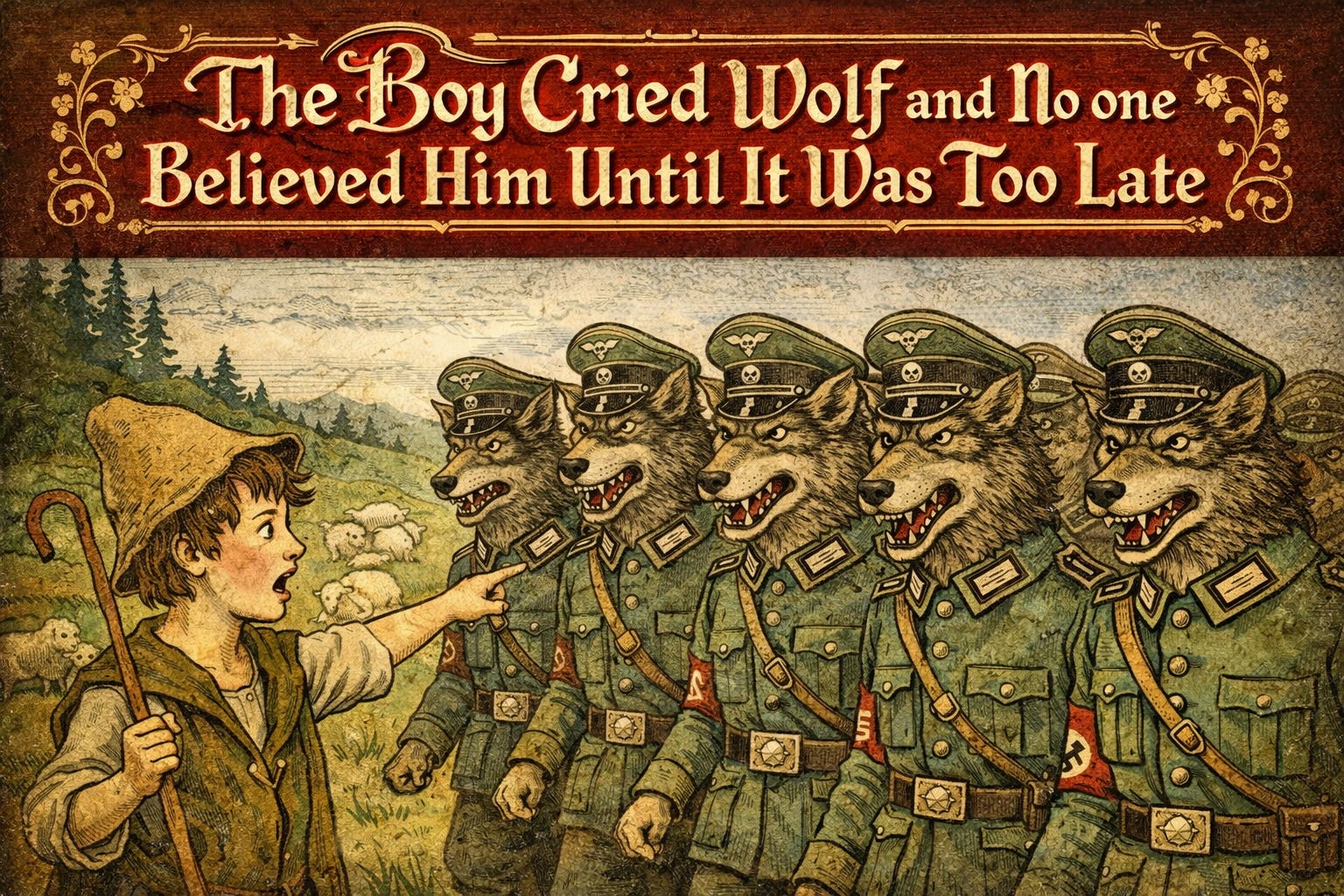
The tale of the shepherd boy who cried wolf has long been a cautionary fable, warning us against the dangers of deceit and the erosion of trust. However, this classic story holds deeper insights that can guide us in navigating the complexities of our modern world, where the stakes are often much higher than the loss of a few sheep.
## The Fragility of Trust
At the heart of the shepherd boy's tale lies the fragile nature of trust. When the boy's initial cries of "Wolf!" proved to be false alarms, the villagers understandably became skeptical and distrustful. This erosion of trust had dire consequences when the real threat finally arrived, as the villagers no longer believed the boy's desperate pleas for help.
In our own lives, we often find ourselves in similar situations, where past experiences of deception or disappointment have made us wary of putting our faith in others. Whether it's in personal relationships, professional interactions, or societal institutions, the loss of trust can have profound and far-reaching consequences.
## The Consequences of Distrust
The consequences of widespread distrust can be devastating, both on an individual and a societal level. When people no longer believe in the honesty and reliability of those around them, it can lead to a breakdown in communication, collaboration, and the very fabric of a functioning community.
In the context of the shepherd boy's story, the villagers' distrust had tragic results, leading to the destruction of the flock and potentially the boy himself. In our modern world, the stakes are often even higher, with the erosion of trust fueling polarization, political gridlock, and the rise of misinformation and conspiracy theories.
## Restoring Trust in a Distrustful World
Rebuilding trust in a world that has become increasingly distrustful is a daunting challenge, but one that is essential for our individual and collective well-being. It requires a multifaceted approach that combines personal accountability, institutional reform, and a renewed commitment to honesty, transparency, and empathy.
As individuals, we must strive to be trustworthy in our own actions, keeping our word, being transparent about our intentions, and owning up to our mistakes. By setting a positive example, we can slowly begin to mend the fragile bonds of trust within our communities.
At the institutional level, organizations and government entities must work to regain the public's confidence through consistent, ethical decision-making and a genuine commitment to serving the best interests of the people. This may involve implementing robust systems of accountability, fostering open communication, and embracing a culture of transparency.
## Embracing Uncertainty and Nuance
Ultimately, the lesson of the shepherd boy's tale is not just about the dangers of deceit, but also about the importance of embracing uncertainty and nuance in a complex world. In an era of polarized narratives and simplistic solutions, we must be willing to acknowledge the gray areas, to listen to diverse perspectives, and to approach problems with humility and an open mind.
Just as the villagers in the story failed to recognize the true threat when it finally appeared, we too can become blinded by our own biases and preconceptions. By cultivating a willingness to consider new information, to change our minds, and to work collaboratively towards solutions, we can begin to rebuild the trust that is so essential for the health and well-being of our communities.
The tale of the shepherd boy who cried wolf serves as a poignant reminder that the stakes of trust and distrust are higher than they may first appear. As we navigate the challenges of our modern world, let us heed the lessons of this timeless fable and strive to create a future built on a foundation of mutual understanding, accountability, and a shared commitment to the greater good.
"The truth doesn't hide. It waits for those brave enough to look."
The Wise Wolf