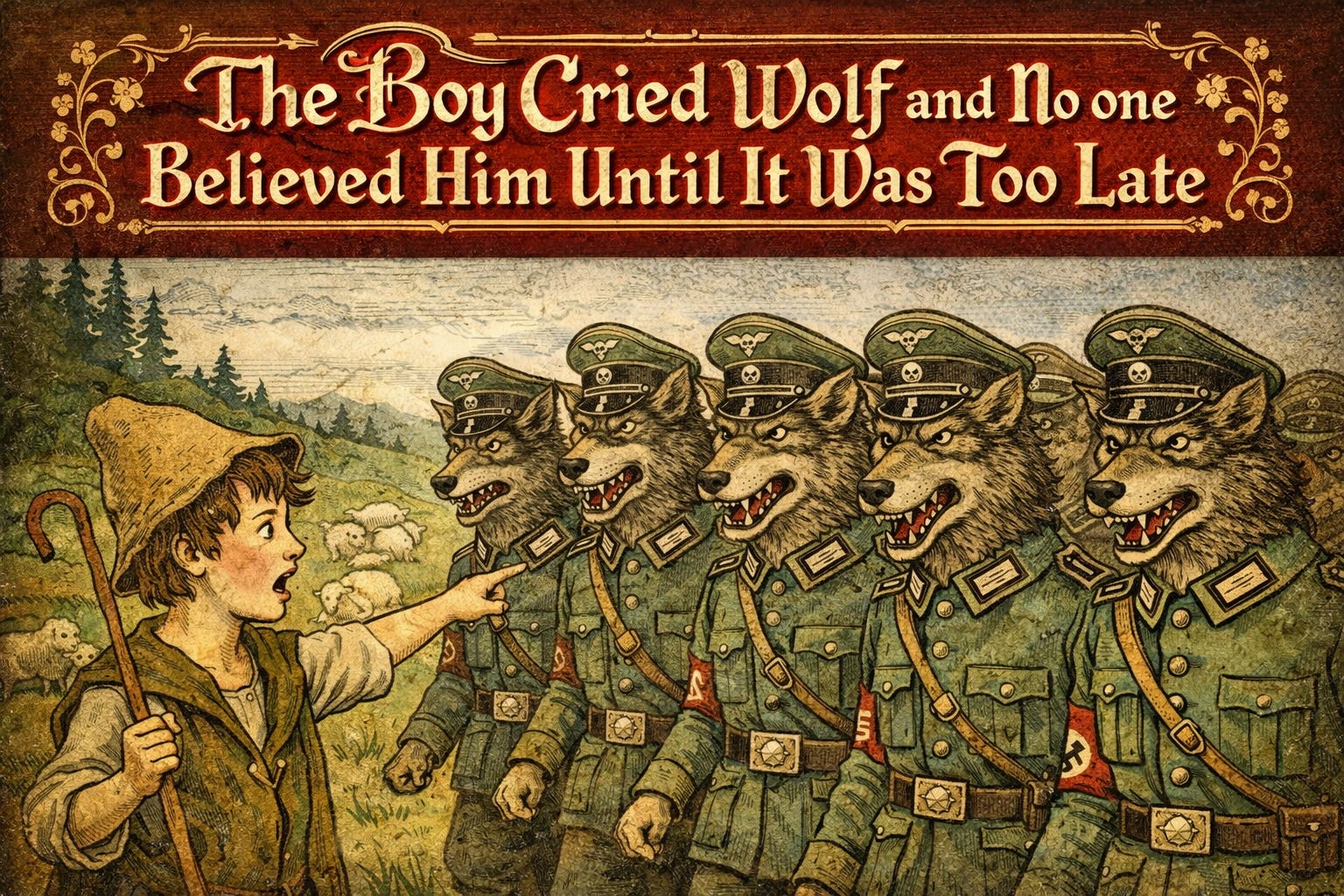
In the timeless fable of the shepherd boy who cried wolf, we are presented with a cautionary tale that extends far beyond the realm of pastoral life. This captivating story, with its simple yet profound message, offers a rich tapestry of insights into the human condition, the dynamics of trust, and the consequences of deceit.
The Lure of Mischief: The Shepherd Boy's Downfall
At the heart of this tale lies the shepherd boy's insatiable desire for attention and amusement. Bored with the monotony of his daily duties, he succumbs to the temptation of pranking the unsuspecting villagers. Each time he raises the alarm, the villagers rush to his aid, only to find no wolf in sight. Their anger and frustration at being duped gradually erode their willingness to respond, setting the stage for a tragic denouement.
The Fragility of Trust
The shepherd boy's actions, though seemingly harmless at first, reveal the delicate nature of trust. With each false alarm, the villagers' faith in the boy's credibility is chipped away, until they reach a point where they can no longer bring themselves to believe his cries, even when a genuine threat emerges. This dynamic reflects the fragility of trust, and how easily it can be shattered by repeated acts of deception.
The Consequences of Unheeded Warnings
When the real wolf finally arrives, the villagers, having grown weary of the boy's antics, dismiss his frantic calls for help. The result is a devastating loss – the sheep are devoured, and the shepherd boy himself may have fallen victim to the ravenous predator. This tragic ending underscores the importance of heeding genuine warnings, even in the face of previous deceptions. It serves as a stark reminder that dismissing legitimate concerns, no matter the circumstances, can have dire consequences.
Lessons for a Distrustful World
The tale of the shepherd boy and the wolf holds timeless relevance, resonating with modern-day experiences of deception, broken trust, and the challenges of discerning truth from falsehood. In a world increasingly dominated by misinformation, manipulated narratives, and the erosion of public faith, this fable offers a poignant reflection on the importance of honesty, the need for accountability, and the responsibility we all share in maintaining a climate of mutual trust.
By delving into the nuances of this classic story, we can glean valuable insights that transcend the pastoral setting and speak to the broader human experience. The shepherd boy's descent into mischief serves as a cautionary tale, reminding us of the potential pitfalls of seeking attention through dishonest means, and the devastating impact it can have on our relationships, our communities, and ultimately, our own well-being.
As we navigate the complexities of modern life, the lessons of the shepherd boy's cry echo through the ages, urging us to approach the world with a heightened sense of discernment, a commitment to truth, and a willingness to respond to genuine calls for help, even in the face of past deceptions. By heeding these lessons, we can cultivate a more trustworthy and resilient society, one that is better equipped to confront the challenges of our time.
"The truth doesn't hide. It waits for those brave enough to look."
The Wise Wolf