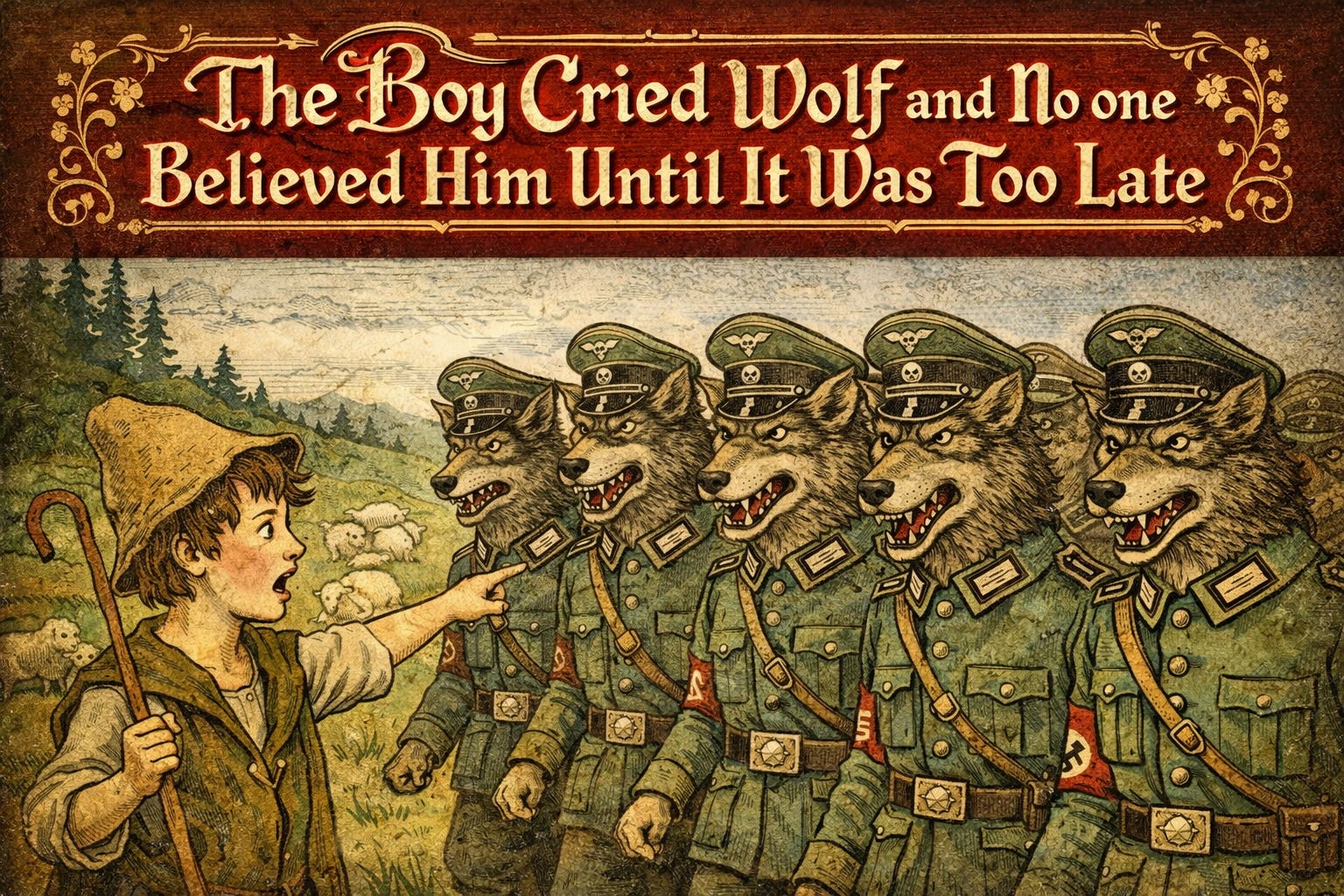
In the classic tale of the boy who cried wolf, we're presented with a cautionary tale about the perils of losing credibility. When the young shepherd repeatedly raises false alarms, the villagers eventually dismiss his cries, leaving them vulnerable when a real threat emerges. This story serves as a poignant metaphor for various real-world scenarios, from economic downturns to political upheavals, where ignoring or discounting early warnings can have disastrous consequences.
The Power of Credibility At the heart of this fable lies the crucial role of credibility. The boy's repeated deception erodes the trust of the villagers, rendering his future warnings meaningless. In the real world, this dynamic plays out in countless contexts, where individuals, institutions, or even governments can squander their credibility through a pattern of dishonesty or alarmism.
When people in positions of authority or influence lose credibility, their ability to effectively communicate and mobilize a response to genuine threats is severely diminished. This is particularly true in the realm of economics, where early indicators of an impending crisis can be easily dismissed if the messenger lacks a track record of reliability.
Heeding the Warnings The boy's cries of "Wolf! Wolf!" serve as a powerful reminder that even the most dire warnings can be disregarded if they are not accompanied by a history of trustworthiness. In the case of economic collapse, for example, there are often clear signs and signals that precede a major downturn. However, if these warnings are consistently downplayed or ignored, the public may become desensitized, leaving them unprepared when the wolf finally arrives.
This underscores the importance of cultivating a culture of attentiveness and responsiveness to early indicators of potential crises. By fostering an environment where credible voices are heard and respected, we can increase the likelihood of timely interventions and proactive measures to mitigate the impact of looming challenges.
Navigating Uncertainty The tale of the boy and the wolf also highlights the challenges of navigating uncertain situations. When faced with ambiguous or conflicting information, it can be tempting to dismiss or downplay potential threats, especially if they don't align with our existing beliefs or preferences. However, this approach can leave us vulnerable to the very dangers we seek to avoid.
In an era of information overload and polarized narratives, it's crucial to develop critical thinking skills and a willingness to consider multiple perspectives. By approaching potential threats with an open mind and a commitment to objective analysis, we can better distinguish between genuine risks and false alarms, allowing us to respond appropriately and minimize the potential for catastrophic outcomes.
Conclusion The story of the boy who cried wolf serves as a powerful metaphor for the importance of credibility, the need to heed early warnings, and the art of navigating uncertainty. As we navigate the complexities of the modern world, from economic upheavals to political turmoil, we would do well to learn from this timeless tale. By fostering a culture of trust, responsiveness, and critical thinking, we can better prepare ourselves and our communities to confront the wolves that may be lurking at the door.
"The truth doesn't hide. It waits for those brave enough to look."
The Wise Wolf