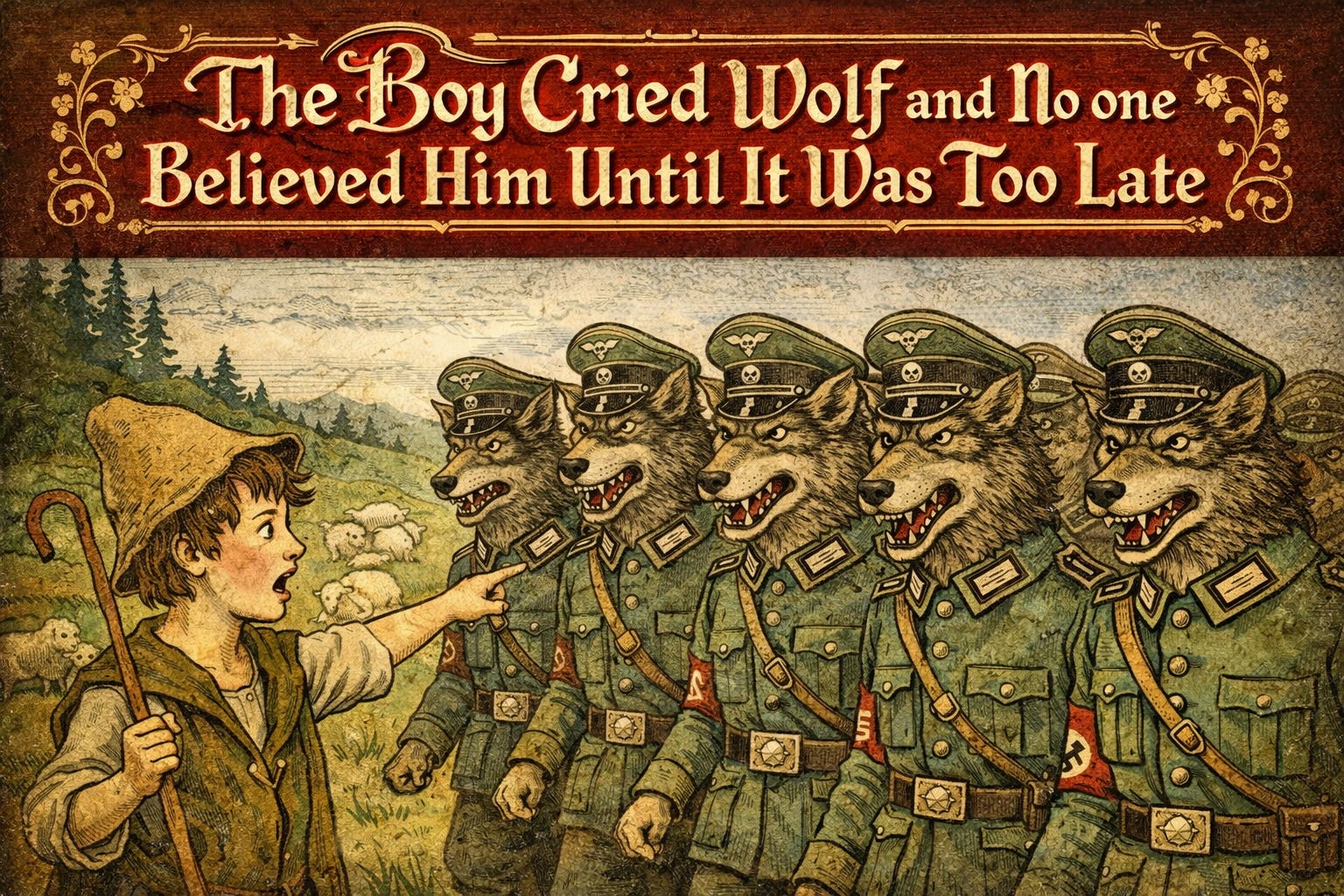
In the timeless fable of the boy who cried wolf, we are confronted with a stark lesson about the consequences of disregarding warnings, no matter how persistent or seemingly trivial they may be. This cautionary tale, rooted in the human tendency to become desensitized to repeated alarms, holds profound implications for our personal, societal, and even global well-being.
The story of the shepherd boy who falsely raised the alarm about a wolf's presence has been retold countless times, each iteration serving as a poignant reminder of the dangers inherent in dismissing warnings, even when they seem like the boy's cries – mere ploys for attention. But what if the warnings we so readily dismiss are not mere fabrications, but harbingers of genuine threats that we choose to ignore at our own peril?
## The Perils of Disbelief
In the fable, the villagers' initial skepticism is understandable. The boy's repeated false alarms have conditioned them to view his cries as nothing more than the antics of a bored child seeking entertainment. This pattern of behavior, amplified by our own human inclination to become complacent in the face of persistent warnings, is a powerful force that can blind us to the very real dangers that may be lurking just beyond our periphery.
## The Wolves Among Us
But what if the wolf is not a mythical creature, but a very real and tangible threat that we have chosen to ignore? In the realm of economics, for example, we have witnessed the devastating consequences of dismissing the warning signs of an impending financial collapse. Time and again, experts have sounded the alarm about the unsustainable practices and unregulated excesses of the financial sector, only to be met with a collective shrug from a public that had grown weary of their warnings.
## Recognizing the Subtle Threats
Just as the villagers in the fable failed to heed the boy's cries, we too can become blind to the subtle threats that lurk beneath the surface of our everyday lives. Whether it's the gradual erosion of our civil liberties, the slow but steady degradation of our environment, or the insidious spread of misinformation and propaganda, the dangers we face are often disguised in the guise of normalcy, lulling us into a false sense of security.
## Embracing the Power of Vigilance
The moral of the boy who cried wolf is not merely about the consequences of deception, but about the vital importance of maintaining vigilance even in the face of repeated warnings. By cultivating a mindset of active engagement and critical thinking, we can learn to distinguish between genuine threats and the cries of those seeking attention or personal gain.
Moreover, we must be willing to listen to those who may not fit the mold of traditional authority figures, for it is often the marginalized voices, the outsiders, and the dissenters who are best positioned to recognize the looming dangers that the rest of us have chosen to ignore.
In a world that seems increasingly complex and overwhelming, it can be tempting to retreat into a state of apathy, dismissing warnings as mere noise. But the lesson of the boy who cried wolf reminds us that our very survival may depend on our willingness to remain alert, to question the status quo, and to heed the warnings of those who see what the rest of us have chosen to overlook.
As we navigate the challenges of our time, let us embrace the power of vigilance, lest we find ourselves, like the villagers in the fable, confronted with a wolf that has already breached the gates, with devastating consequences.
"The truth doesn't hide. It waits for those brave enough to look."
The Wise Wolf