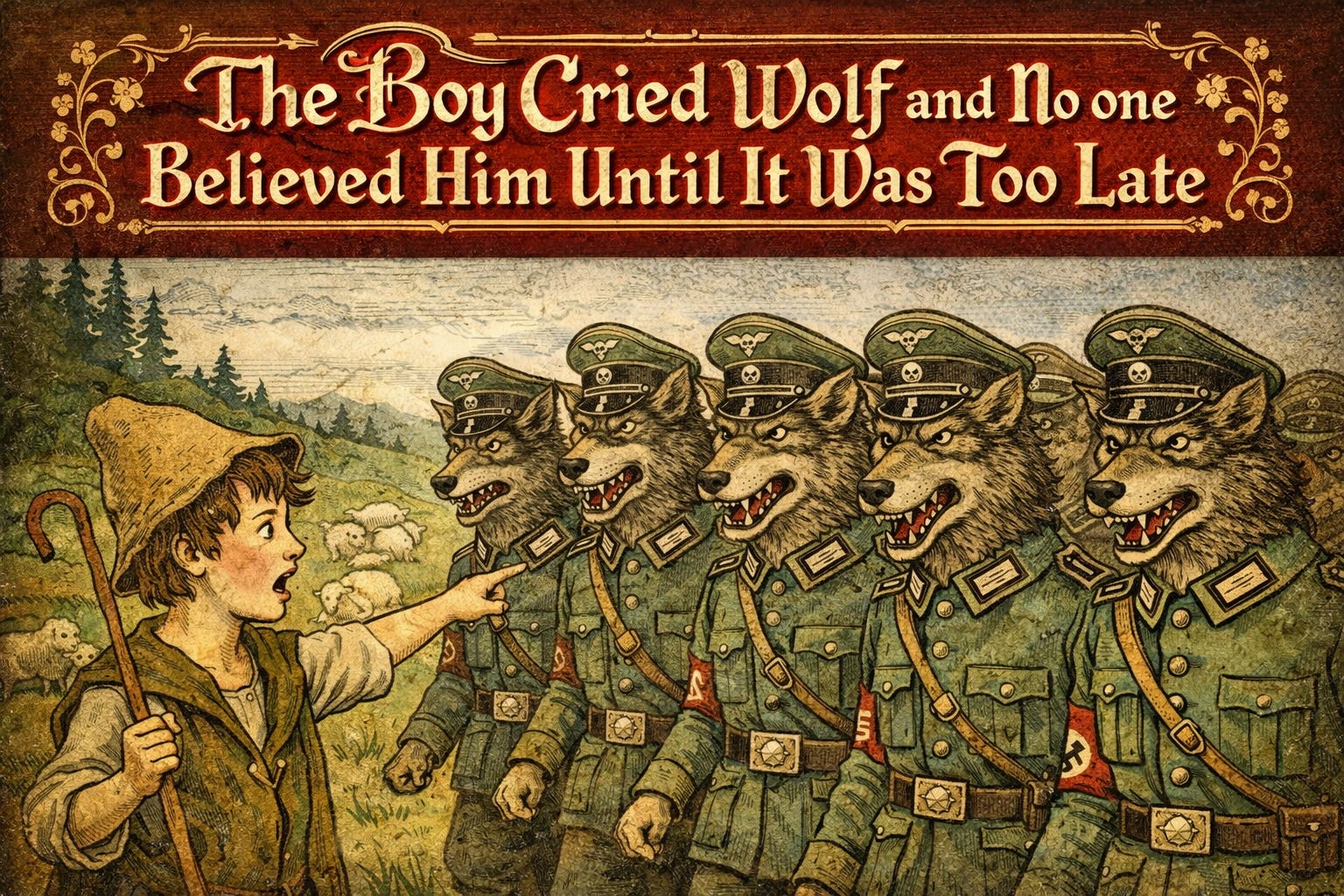
Imagine a small village, nestled in the heart of the countryside, where the residents have grown complacent and dismissive of the warnings they once heeded. This is the setting of a cautionary tale that serves as a poignant reminder of the consequences that can arise when we choose to ignore the signs of impending danger.
## The Boy Who Cried Wolf: A Lesson Unlearned
In this village, there was a young shepherd boy who had a penchant for mischief. On several occasions, he had raised the alarm, claiming that a wolf was threatening his flock. The villagers, dutifully responding to his cries, would rush to his aid, only to find that the boy had been playing a cruel trick. Exasperated by his antics, the villagers eventually stopped taking his warnings seriously, dismissing them as the empty pleas of a bored child.
## The Wolf at the Door: When Reality Strikes
One fateful day, a real wolf did appear, and the boy, in a moment of genuine panic, cried out for help. But this time, the villagers, having grown weary of his false alarms, turned a deaf ear to his desperate pleas. The wolf, unchecked, proceeded to wreak havoc, tearing through the flock and leaving the boy in a state of devastation.
## Lessons Unlearned, Consequences Unbound
This cautionary tale serves as a poignant reminder that the consequences of ignoring warnings can be severe and far-reaching. In the context of our modern world, this analogy can be applied to a myriad of situations, from economic downturns to environmental crises.
Just as the villagers in the story became complacent and dismissive of the boy's warnings, we as a society can sometimes turn a blind eye to the signs of impending danger, convinced that the alarms are mere false alarms. However, as the story illustrates, when we choose to disregard these warnings, the consequences can be catastrophic.
## The Perils of Economic Denial
Consider the economic sphere, where warning signs of an impending recession or market collapse are often dismissed as the cries of "doomsday" prophets. In the years leading up to the 2008 financial crisis, many experts and analysts raised concerns about the unsustainable practices in the housing and financial sectors, only to be met with a chorus of skepticism and denial.
Just as the villagers in the story refused to heed the boy's warnings, many policymakers and investors brushed aside these economic warnings, convinced that the economy would continue its upward trajectory. But when the crisis finally hit, the consequences were devastating, with millions of people losing their homes, their livelihoods, and their life savings.
## The Urgency of Environmental Stewardship
Similar parallels can be drawn in the realm of environmental conservation. Scientists have been sounding the alarm on the devastating effects of climate change, warning of rising sea levels, extreme weather patterns, and the depletion of natural resources. Yet, like the villagers in the story, many individuals and governments have been slow to respond, dismissing these warnings as exaggerations or political agendas.
Just as the wolf in the story ultimately decimated the flock, the consequences of our environmental negligence are becoming increasingly apparent, with natural disasters, ecosystem collapse, and the extinction of countless species. The time to heed the warnings and take decisive action is now, before it's too late.
## The Importance of Vigilance and Responsiveness
The moral of the story is clear: we must be vigilant in recognizing the warning signs, and responsive in addressing the challenges they present. Whether it's in the economic, environmental, or any other sphere, ignoring the alarms can have devastating consequences that reverberate throughout our communities and the world at large.
As we navigate the complexities of the modern world, let us learn from the cautionary tale of the boy who cried wolf. Let us be open to the warnings, no matter how uncomfortable or inconvenient they may be, and take proactive steps to mitigate the risks and secure a better future for ourselves and generations to come.
"The truth doesn't hide. It waits for those brave enough to look."
The Wise Wolf