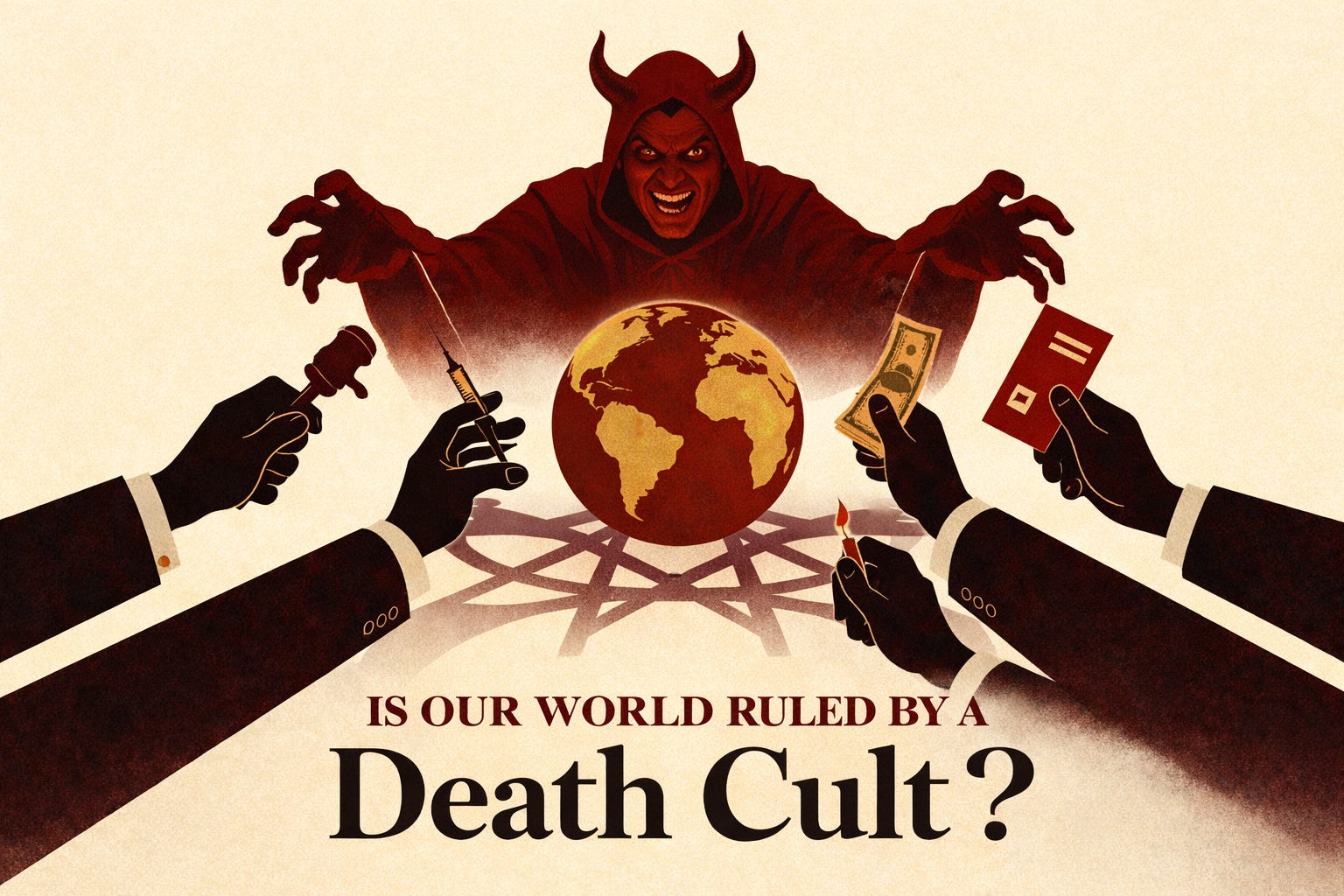
In the wake of the 1980s "Satanic Panic," a newfound scrutiny has emerged, scrutinizing the seemingly innocuous elements of pop culture for any signs of occult symbolism or Satanic influence. As the world has moved beyond the initial hysteria, a more nuanced examination of this phenomenon is necessary to separate fact from fiction.
Decoding the Symbolism: Exploring the Ambiguity
The debate surrounding the presence of Satanic imagery in mainstream entertainment has been a contentious one, with proponents and skeptics alike presenting their respective cases. While some argue that these symbols are blatant displays of a dark, sinister agenda, others maintain that their inclusion is merely a reflection of artistic expression or cultural fascination with the esoteric.
One of the primary points of contention is the interpretation of the symbols themselves. What may appear to be a representation of Satanic worship to some, could be a mere artistic device or a nod to ancient mythologies for others. The ambiguity inherent in symbolism often leaves room for subjective interpretation, making it challenging to definitively establish the true intentions behind their use.
Navigating the Fine Line: Creative Expression or Subversive Agenda?
As the debate rages on, it's essential to acknowledge the nuances and complexities involved. While some artists may deliberately incorporate Satanic or occult-inspired elements into their work, it's important to distinguish between genuine artistic expression and any potential subversive agenda.
The entertainment industry, in its pursuit of captivating and thought-provoking content, has often explored the darker aspects of the human experience, including the fascination with the occult. This exploration, however, does not necessarily equate to an endorsement or promotion of Satanic beliefs. In fact, many artists have used these elements as a means to grapple with deeper existential questions or to challenge societal norms.
Maintaining a Balanced Perspective: Avoiding Hysteria and Embracing Critical Thinking
As we move forward, it's crucial to approach this topic with a balanced and critical mindset. While the initial "Satanic Panic" may have been an overreaction, the underlying concerns regarding the potential influence of occult symbolism in pop culture cannot be dismissed entirely. However, it's important to examine these issues objectively, without succumbing to the same hysterical tendencies that characterized the 1980s.
By engaging in nuanced discussions, seeking expert opinions, and encouraging critical thinking, we can navigate this complex landscape with a deeper understanding of the nuances involved. Rather than jumping to conclusions or engaging in fear-mongering, it's essential to approach this topic with an open mind and a commitment to unraveling the truth, wherever it may lead.
"The truth doesn't hide. It waits for those brave enough to look."
The Wise Wolf