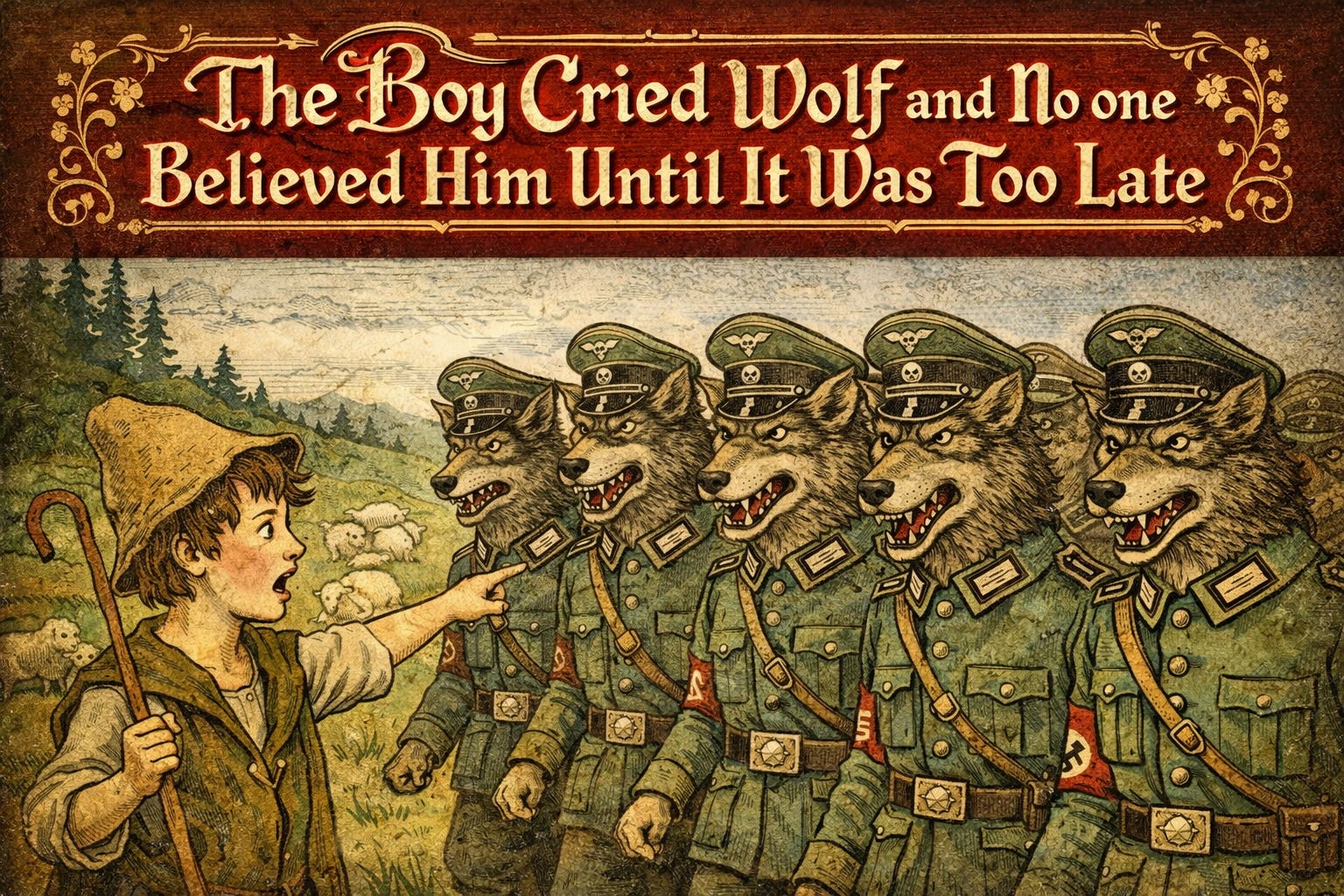
The story of the boy who cried wolf has long been a cautionary tale, warning us of the consequences of deceiving others. But beyond the surface-level moral, this classic fable holds deeper lessons about the fragility of trust and the importance of credibility.
## The Perils of Deception
In the original tale, a young shepherd repeatedly raises a false alarm about a wolf attacking his flock, only to admit he was lying when the villagers arrive. This childish prank may seem harmless at first, but the ramifications of the boy's actions prove devastating. When a real threat emerges, the villagers, having been fooled too many times, dismiss the boy's cries and the wolf proceeds to wreak havoc.
This narrative serves as a powerful metaphor for the dangers of eroding one's credibility. Much like the boy, individuals or organizations that repeatedly make false claims or exaggerate the truth eventually find themselves in a precarious position. Their words and warnings, no matter how valid, are met with skepticism and distrust.
## The Importance of Credibility
Credibility is the foundation upon which meaningful relationships, whether personal or professional, are built. It is the currency that allows us to influence others, to be heard and believed. When credibility is lost, it becomes an uphill battle to regain the trust and respect of those we seek to engage with.
The lesson from the boy who cried wolf is clear: once you have squandered your credibility, it becomes increasingly difficult to have your voice heard, even when you are telling the truth. This is a lesson that extends far beyond the realm of fables and into the real world, where the consequences of a damaged reputation can be severe.
## Rebuilding Credibility
If the story of the boy who cried wolf teaches us anything, it is that regaining credibility is a challenging and arduous process. Simply acknowledging one's mistakes or offering apologies may not be enough. True redemption requires a sustained commitment to honesty, transparency, and consistent, reliable behavior.
For individuals, this may involve a thoughtful self-reflection, a willingness to own up to past transgressions, and a concerted effort to rebuild trust through their actions. For organizations, it may necessitate a comprehensive review of their communication strategies, a reevaluation of their values and ethics, and a proactive approach to addressing any credibility issues.
Ultimately, the story of the boy who cried wolf serves as a cautionary tale, reminding us that our words and actions have consequences that can reverberate far beyond the immediate moment. By understanding the importance of credibility and the challenges of rebuilding it, we can strive to be more mindful, more accountable, and more trustworthy in our dealings with others.
"The truth doesn't hide. It waits for those brave enough to look."
The Wise Wolf