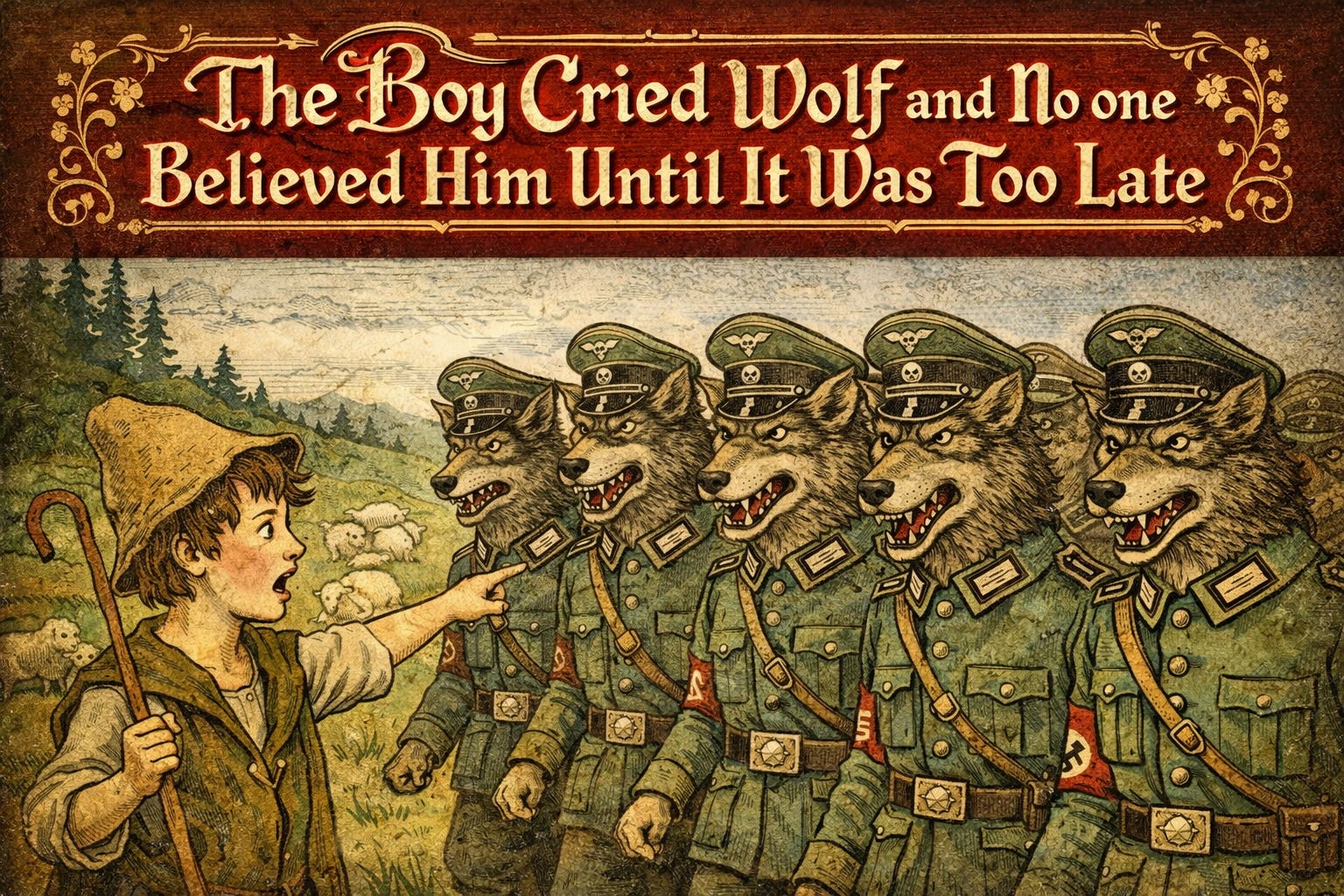
The fable of the boy who cried wolf is a cautionary tale that has echoed through the ages, warning us of the consequences of deception and the importance of credibility. But what happens when this age-old story becomes a metaphor for the very real-world challenges we face, from economic collapse to the rise of authoritarian regimes? In this thought-provoking exploration, we'll delve into the parallels between the boy's cries and the modern-day warnings that often fall on deaf ears, and examine how our own skepticism can become a self-fulfilling prophecy.
The Cry of the Boy and the Cry of the People
The story of the boy who cried wolf is a familiar one, but its relevance extends far beyond the confines of a simple fable. When the boy, tasked with guarding his flock, grows bored and decides to have some fun at the villagers' expense, he sets in motion a chain of events that ultimately leads to the unthinkable. His initial cries of "Wolf! Wolf!" are met with the villagers' swift response, but as he continues to deceive them, their trust gradually erodes. Finally, when a real wolf appears and the boy's pleas for help go unheeded, the consequences are dire.
In many ways, this scenario mirrors the challenges we face in the real world. Just as the boy's cries of wolf became dismissed as mere falsehoods, so too have the warnings of impending crises – whether economic, social, or political – been met with skepticism and indifference by the public. When experts and pundits raise the alarm about looming threats, their voices are often drowned out by the noise of daily life, or written off as alarmist propaganda.
The Rise of Authoritarian Regimes: A Self-Fulfilling Prophecy?
One of the most concerning manifestations of this phenomenon is the rise of authoritarian regimes around the world. As democratic institutions falter and the promise of freedom and prosperity seems to slip away, many people turn to strongmen and populist leaders, drawn in by their bold promises and unwavering confidence. But in doing so, they may be inadvertently contributing to the very outcome they fear.
Just as the villagers in the fable refused to believe the boy's cries, even when a real threat emerged, so too do we risk becoming complacent in the face of genuine dangers. When we dismiss the warnings of those who sound the alarm about the erosion of democratic norms or the concentration of power in the hands of a few, we may be setting the stage for the very outcomes we dread.
The Economic Collapse: A Cautionary Tale
The economic realm provides another poignant example of the dangers of the "boy who cried wolf" syndrome. Time and again, economists and financial experts have warned of impending recessions, market crashes, and systemic failures – only to be met with skepticism and even derision from the public and policymakers. When the 2008 financial crisis hit, many were caught off guard, having become desensitized to the warnings that had been sounding for years.
In the aftermath of that crisis, the public's trust in the financial system and its gatekeepers was severely eroded. This erosion of credibility has had far-reaching consequences, making it increasingly difficult for experts to be heard when they sound the alarm about emerging economic threats. And as the public becomes more cynical and less willing to heed these warnings, the risk of a self-fulfilling prophecy grows ever stronger.
Restoring Credibility and Vigilance
The lesson of the boy who cried wolf is a powerful one, but it is not a fatalistic tale. Rather, it serves as a reminder of the importance of credibility, vigilance, and a willingness to take action in the face of genuine threats.
To avoid the pitfalls of the "boy who cried wolf" syndrome, we must work to restore trust in our institutions and the experts who monitor the pulse of our societies. This means cultivating a culture of transparency, accountability, and responsiveness – one that empowers citizens to engage with the issues that matter most to them, and encourages decision-makers to take decisive action when the stakes are high.
By staying alert and responsive to the legitimate warnings of those we trust, we can avoid the tragic fate that befell the boy and his flock. And in doing so, we may just be able to prevent the real-world crises that loom on the horizon, before it's too late.
"The truth doesn't hide. It waits for those brave enough to look."
The Wise Wolf