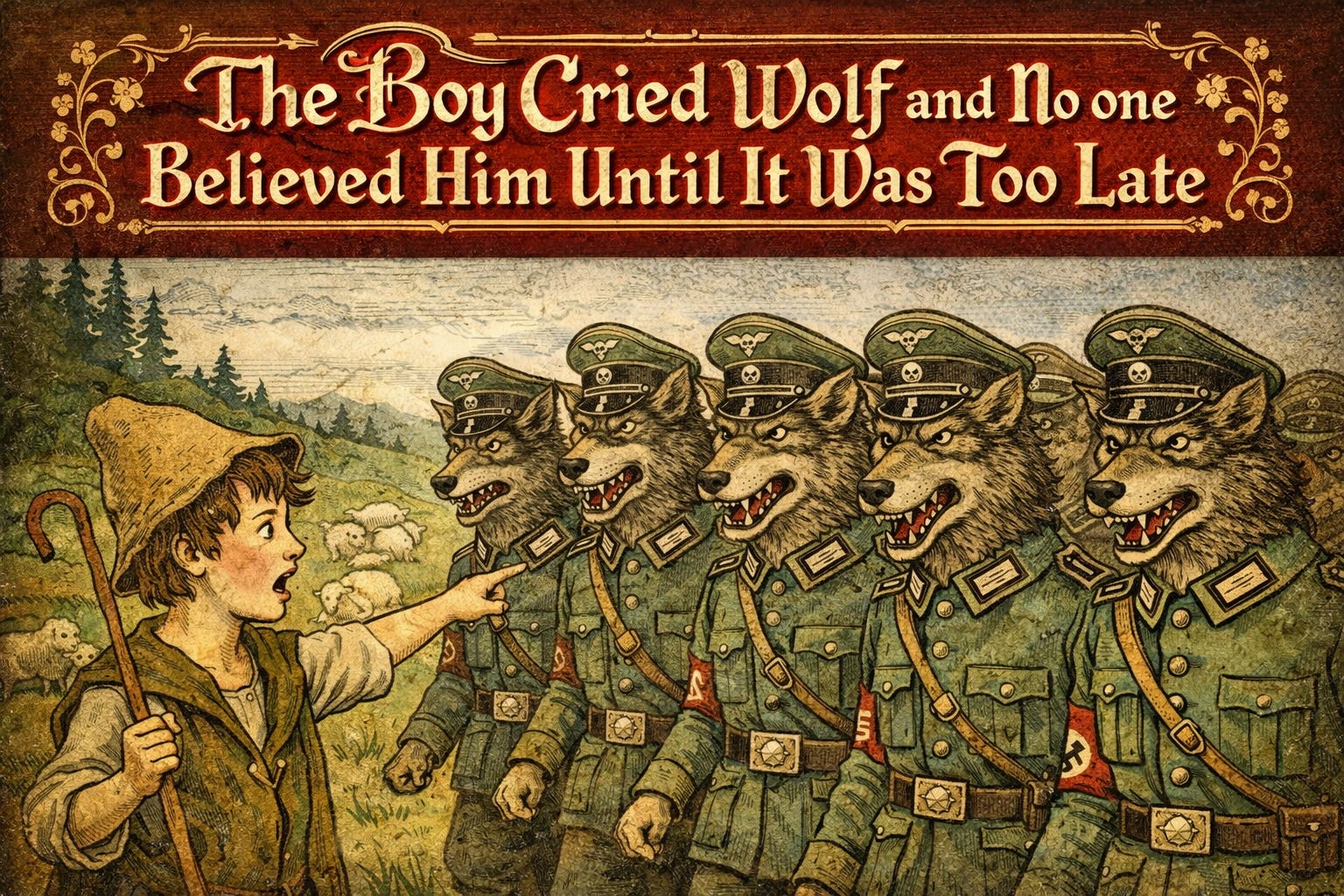
In a world where skepticism reigns supreme, the consequences of dismissing valid concerns can be catastrophic. The timeless tale of the boy who cried wolf serves as a poignant reminder that ignoring warning signs, no matter how persistent, can lead to devastating outcomes. As we navigate the complexities of our modern era, it's crucial to heed the lessons of this classic narrative and apply them to the broader social and economic landscapes we inhabit.
The Perils of Disbelief When the shepherd boy first raised the alarm about the approaching wolf, the villagers were quick to dismiss his cries as mere mischief. After all, he had a reputation for playing tricks, and they had fallen for his ruse on multiple occasions. This pattern of disbelief, fueled by a lack of trust, ultimately proved to be the community's downfall. By the time the real threat arrived, the villagers had become so jaded that they failed to respond, leading to the tragic loss of their flock and, potentially, the boy himself.
Parallels in the Modern World The story of the boy who cried wolf finds echoes in the contemporary landscape, where warnings about impending crises are often met with skepticism or outright denial. Whether it's the looming threat of economic collapse, the escalating climate emergency, or the emergence of new global threats, those sounding the alarm are frequently dismissed as alarmists or fear-mongers. Just as the villagers in the classic tale, we risk succumbing to the same fate if we continue to ignore the clear signs of trouble on the horizon.
The Importance of Heeding the Warnings In an era where information is readily available, it's tempting to dismiss warnings as exaggerated or politically motivated. However, it's crucial that we resist the urge to be complacent and instead strive to discern the legitimate concerns from the hyperbolic. By remaining vigilant and open-minded, we can better prepare for the challenges that may lie ahead, rather than being caught off guard and powerless to respond.
Rebuilding Trust and Accountability To avoid the tragic consequences that befell the village in the boy who cried wolf story, we must work to rebuild trust and accountability within our communities and institutions. This means fostering a culture of open communication, where individuals feel empowered to voice their concerns without fear of ridicule or dismissal. It also requires that those in positions of authority take responsibility for heeding the warnings and implementing proactive measures to address the underlying issues.
By embracing a more nuanced and empathetic approach to the challenges we face, we can transform the lessons of the boy who cried wolf into a blueprint for a more resilient and responsive society. In doing so, we may just avert the economic, social, and environmental catastrophes that loom on the horizon, ensuring that our communities are better equipped to weather the storms that are yet to come.
"The truth doesn't hide. It waits for those brave enough to look."
The Wise Wolf