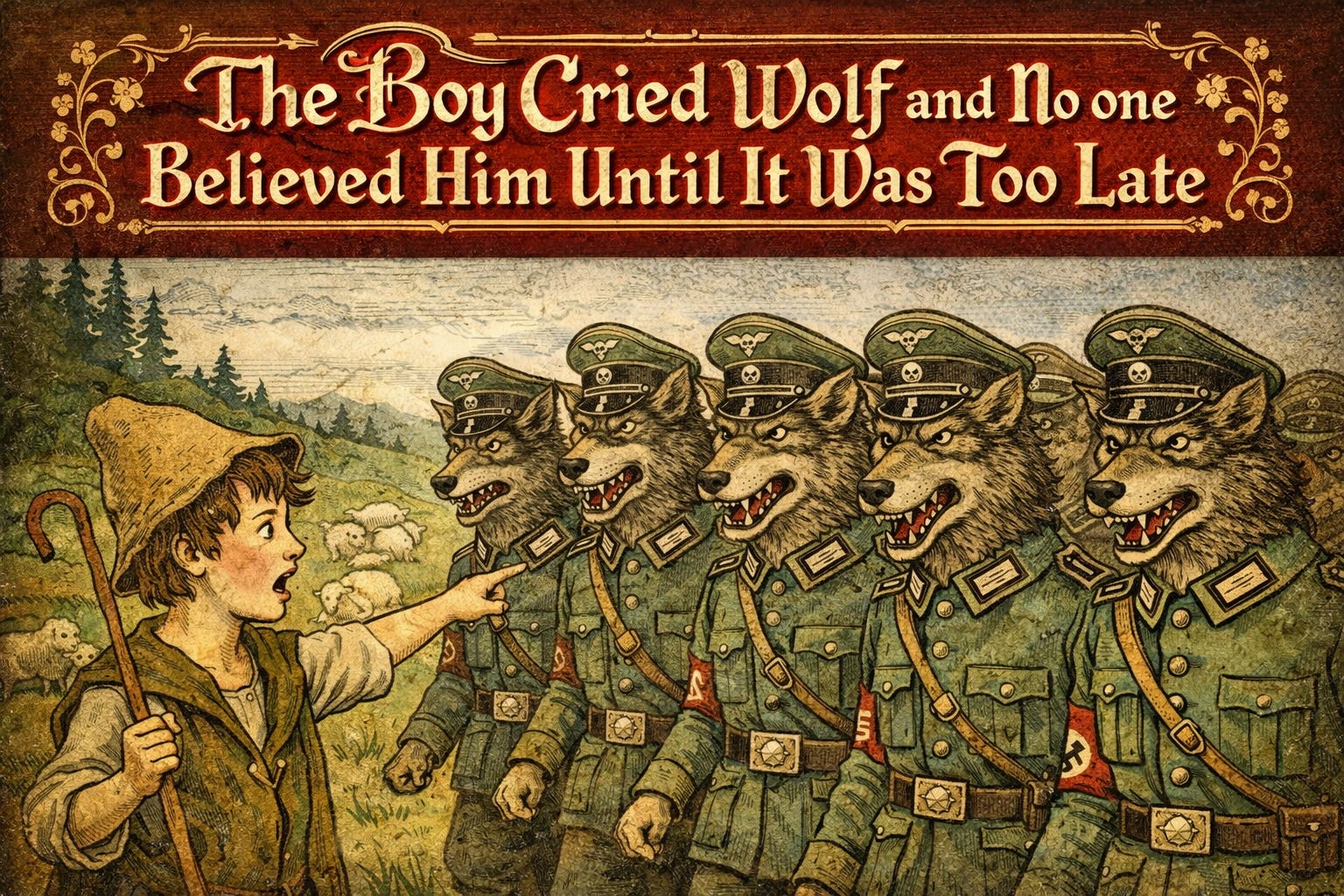
In the ever-evolving landscape of human civilization, we find ourselves surrounded by a tapestry of stories and fables that have stood the test of time. One such tale, the classic story of the boy who cried wolf, has captivated audiences for generations, serving as a powerful reminder of the consequences that can arise when trust is betrayed.
The Danger of Deceit: Lessons from the Boy Who Cried Wolf
At the heart of this timeless tale lies a cautionary message about the perils of deception. The young shepherd, entrusted with the well-being of his flock, succumbs to the temptation of mischief, repeatedly raising false alarms about the presence of a wolf. While the initial reactions of the villagers may have been a source of amusement for the boy, the narrative takes a dark turn when a real threat emerges, and his cries for help fall on deaf ears.
This story serves as a poignant reminder that the erosion of trust can have dire consequences. When we repeatedly engage in deceitful behavior, even in the pursuit of momentary entertainment or personal gain, we risk losing the credibility and respect of those around us. The boy's fate, ultimately sealed by his own actions, underscores the importance of honesty, integrity, and the need to take responsibility for our choices.
The Wolf at the Door: Economic Collapse and the Cry for Help
The analogy between the boy's fabled cry and the real-world struggles of economic collapse is a compelling one. Just as the villagers in the story dismissed the boy's warnings, so too have we witnessed a tendency for the public to disregard the warnings of economic experts and policymakers when it comes to impending financial crises.
In the years leading up to the 2008 global financial crisis, there were numerous voices sounding the alarm about the unsustainable practices in the housing and banking sectors. Yet, much like the villagers in the fable, the general public often chose to ignore these warnings, lulled into a false sense of security by the perceived prosperity of the time.
When the proverbial wolf finally arrived in the form of a devastating economic collapse, the consequences were severe. Millions of individuals and families found themselves struggling to make ends meet, as the effects of the crisis rippled through communities around the world. The parallels between the boy's tragic fate and the hardships faced by those impacted by economic downturns are undeniable, serving as a stark reminder of the importance of heeding the warnings of those who possess the expertise and foresight to anticipate such events.
Embracing Resilience: Preparing for the Unexpected
The enduring lesson of the boy who cried wolf extends far beyond the realm of economic stability. It speaks to the universal human experience of navigating uncertainty and the unexpected. Just as the villagers in the fable were ultimately unprepared to confront the real threat, so too can individuals and communities find themselves ill-equipped to handle the curveballs that life sometimes throws our way.
Whether it's a natural disaster, a personal crisis, or a societal upheaval, the ability to recognize genuine danger and respond accordingly is a critical skill. By cultivating a mindset of resilience and adaptability, we can better position ourselves to weather the storms that inevitably arise, rather than falling victim to the consequences of our own complacency or disbelief.
In the end, the story of the boy who cried wolf serves as a timeless reminder that the choices we make, even in the face of boredom or temptation, can have far-reaching implications. By embracing honesty, heeding the warnings of those with expertise, and developing a readiness to confront the unexpected, we can navigate the complexities of life with a greater sense of purpose and preparedness.
"The truth doesn't hide. It waits for those brave enough to look."
The Wise Wolf