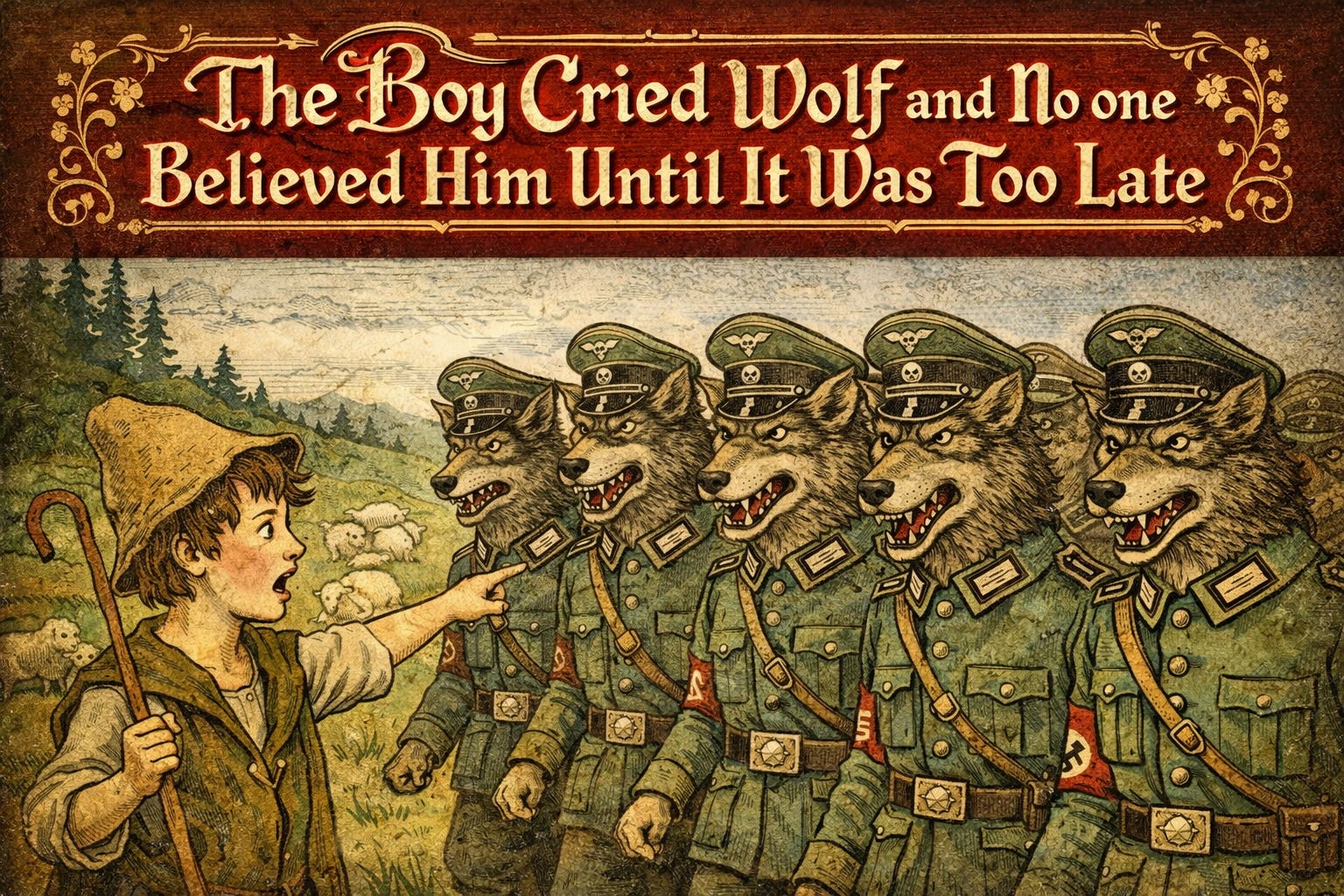
Fables and Lies: The Perils of Disbelief We've all heard the classic tale of the boy who cried wolf. A young shepherd, bored with his monotonous duties, decides to have a bit of fun at the expense of the villagers. Time and again, he raises the alarm, shouting "Wolf! Wolf!" only to be met with exasperation and disbelief when no real threat materializes.
But what happens when the wolf finally does come? The villagers, having heard the false alarms too many times, refuse to heed the boy's cries. The ravenous beast descends upon the flock, and the boy, once again ignored, is left to face the consequences alone.
This cautionary tale serves as a poignant reminder of the dangers of disbelief and the importance of heeding genuine warnings, no matter how many false alarms have come before. Unfortunately, in the realm of economics and finance, we are witnessing a troubling parallel to this timeless fable.
The Economic Wolf at the Door For years, a growing chorus of financial experts, economists, and concerned citizens have been sounding the alarm about the looming threat of an economic collapse. Like the boy in the fable, they have been met with a mixture of skepticism, dismissal, and outright ridicule. "It's just fear-mongering," the naysayers cry. "The economy is strong, and everything is fine."
But as the warning signs continue to mount – soaring inflation, ballooning national debt, volatile stock markets, and a brewing recession – it becomes increasingly clear that the economic wolf is indeed at the door. Yet, far too many people remain unwilling to heed the warnings, having grown weary of the constant drumbeat of doom and gloom.
The Consequences of Ignoring the Warnings The consequences of ignoring these economic warnings can be catastrophic, both for individuals and for society as a whole. When the economic collapse finally arrives, as it inevitably will, the impact will be devastating. Savings will evaporate, jobs will be lost, and the fragile social fabric that holds our communities together may begin to unravel.
The impact will be felt far and wide, from the boardrooms of multinational corporations to the kitchen tables of everyday families. Those who have prepared and taken the warnings seriously may weather the storm, but for the majority, the reckoning will be severe.
Preparing for the Inevitable So, what can we do to avoid a fate akin to that of the boy in the fable? The answer is simple, yet often difficult to implement: we must take the warnings seriously and take action to prepare for the impending economic crisis.
This may involve diversifying one's investments, reducing debt, building up emergency savings, and exploring alternative income streams. It may also mean advocating for policy changes that address the root causes of the economic imbalances, rather than relying on the false promises of politicians and pundits.
Ultimately, the choice is ours: will we heed the warnings and take the necessary steps to protect ourselves and our communities, or will we succumb to the siren song of denial and complacency, only to be devoured by the economic wolf when it finally arrives?
The time to act is now. The clock is ticking, and the fate of our economic future hangs in the balance.
"The truth doesn't hide. It waits for those brave enough to look."
The Wise Wolf