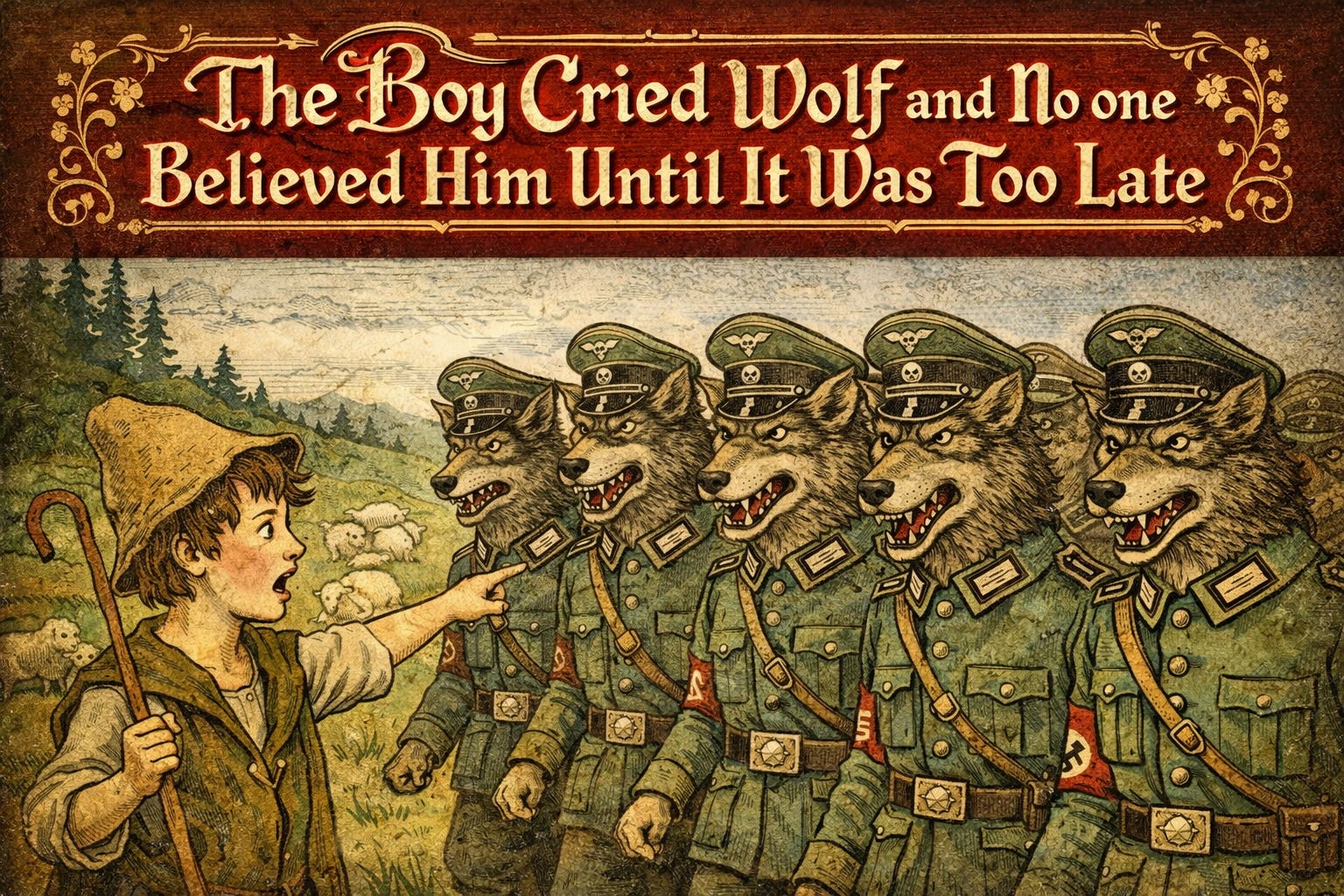
The classic fable of the boy who cried wolf has endured for a reason – it speaks to a fundamental truth about human nature and the consequences of abusing trust. In a world where misinformation and false alarms have become increasingly commonplace, the lessons of this timeless tale resonate more than ever. But the implications extend far beyond the pastoral setting of the original story, touching on critical issues that affect our personal lives, our communities, and the global economy.
Cry Wolf, Lose Credibility
At the heart of the boy's dilemma lies a cautionary tale about the fragility of credibility. By repeatedly raising false alarms, he squanders the trust of the villagers, rendering his genuine cries for help ineffective. This pattern of deception has a corrosive effect, eroding the very foundation upon which a community's resilience depends.
In our modern, fast-paced world, this dynamic plays out in myriad ways. Whether it's political rhetoric, sensationalized media coverage, or even personal relationships, the tendency to exaggerate, distort, or simply ignore the truth can have devastating consequences. Once a source of information or authority is deemed untrustworthy, it becomes increasingly difficult to regain that credibility, even in the face of genuine threats.
Recognizing the Wolves in Sheep's Clothing
The fable's central metaphor – the wolf in sheep's clothing – serves as a powerful reminder to be vigilant in the face of deception. Just as the villagers failed to heed the boy's warnings, we too can be lulled into a false sense of security by those who would exploit our vulnerabilities for their own gain.
In the economic realm, this dynamic has played out time and again, from the lead-up to the 2008 financial crisis to the more recent rumblings of a looming recession. When warning signs are dismissed or downplayed, we risk being caught off guard by the very threats we should have been prepared to confront.
Preparing for the Unexpected
The moral of the boy who cried wolf is not merely about the consequences of dishonesty; it's about the importance of heeding warning signs and being proactive in the face of potential danger. By recognizing patterns of deception and cultivating a healthy skepticism, we can better position ourselves to weather the storms that inevitably lie ahead.
Whether it's diversifying our financial portfolios, strengthening our community resilience, or simply being more discerning in the information we consume, the lessons of this fable can serve as a powerful guide. By embracing a mindset of preparedness and proactive problem-solving, we can transform the boy's tragic fate into a blueprint for collective empowerment and resilience.
Conclusion: Harnessing the Power of Authentic Voices
In a world increasingly dominated by noise and misinformation, the power of authentic, credible voices has never been more crucial. By learning from the mistakes of the boy who cried wolf, we can strive to become the trusted leaders, the diligent observers, and the engaged citizens who can navigate the challenges of our time. Only then can we truly heed the warnings that matter and build a future that is more resilient, more secure, and more prosperous for all.
"The truth doesn't hide. It waits for those brave enough to look."
The Wise Wolf