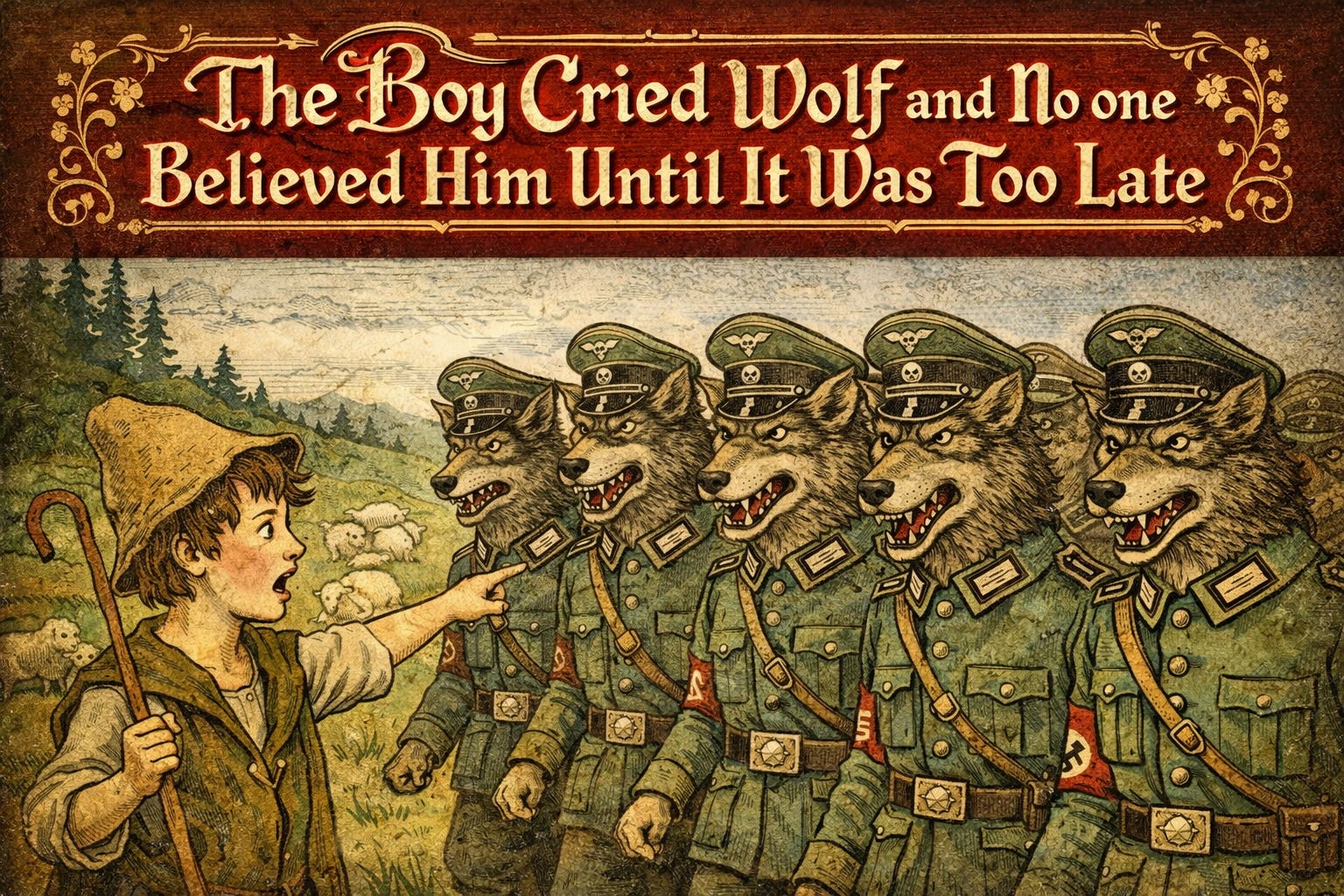
In a world where headlines scream of impending doom, it's easy to become desensitized to the cries of crisis. Much like the classic tale of the shepherd boy who warned of a wolf that never came, we've grown weary of the constant warnings of economic collapse. But what if, this time, the threat is real?
The Fable Revisited: Lessons from the Boy Who Cried "Wolf"
The story of the boy who cried wolf is a timeless cautionary tale, one that holds profound lessons for our modern age. The shepherd boy, bored with the monotony of his daily routine, resorts to raising false alarms, sowing panic among the villagers only to reveal his mischievous prank. Time and again, the villagers respond, only to find no wolf in sight.
This pattern continues until the day a real wolf arrives. The boy, his cries ignored, watches helplessly as the wolf ravages his flock. The moral is clear – when we dismiss genuine warnings as mere cries for attention, we do so at our own peril.
Crying "Economic Collapse" in a World of Uncertainty
In the realm of economics, we've seen a similar dynamic play out. For years, pundits and analysts have been predicting the imminent collapse of the global financial system. Some have even gone so far as to suggest that the end of the world as we know it is nigh. Yet, time and again, the predicted catastrophes have failed to materialize.
As a result, many have become desensitized to these warnings, dismissing them as the ravings of alarmists or the desperate attempts of those seeking attention. But what if, this time, the threat is real?
The Looming Specter of Economic Turmoil
The signs are there, if we choose to see them. Inflation rates soaring, supply chains in disarray, and geopolitical tensions simmering – all ingredients that could potentially culminate in a perfect storm of economic upheaval. While it's tempting to dismiss these warnings as the latest iteration of the boy who cried wolf, the consequences of ignoring them could be devastating.
The Importance of Heeding the Warnings
Just as the villagers in the classic fable paid the ultimate price for their disbelief, our collective failure to heed the warnings of economic turmoil could have far-reaching consequences. From job losses and financial instability to the erosion of social safety nets and the widening of societal divides, the ripple effects of an economic collapse would be felt by all.
The Responsibility to Prepare
In the face of such uncertainty, it's our responsibility as individuals, communities, and nations to take proactive steps to prepare. This means diversifying our investments, building emergency savings, and supporting policies that promote economic resilience. It's also crucial that we remain vigilant and open to the warnings, even if they've been sounded before.
Conclusion: Embracing Vigilance in an Uncertain World
The story of the boy who cried wolf serves as a poignant reminder that we must be willing to listen, even when the message is difficult to hear. By embracing a spirit of vigilance and a willingness to act on the warnings we receive, we can position ourselves to weather the storms of economic turmoil and emerge stronger, more resilient, and better prepared for the challenges that lie ahead.
"The truth doesn't hide. It waits for those brave enough to look."
The Wise Wolf