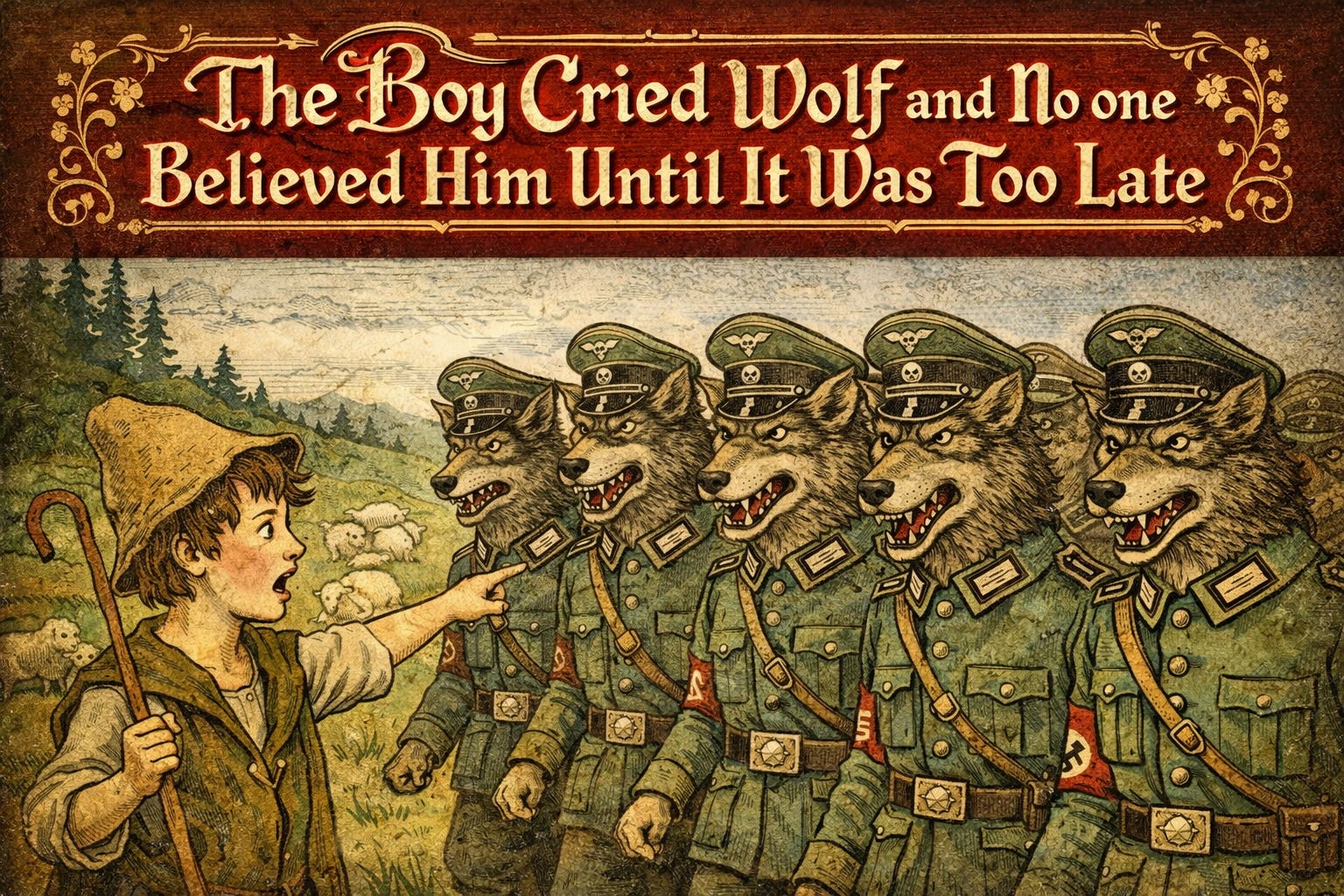
In today's fast-paced, information-driven world, the age-old fable of the boy who cried wolf has taken on a new, more profound significance. As we navigate the complex landscape of social media, political discourse, and economic uncertainty, this classic tale serves as a poignant reminder of the dangers of false alarms and the erosion of trust.
The Enduring Relevance of the Shepherd Boy
The story of the shepherd boy who deceived his village one too many times has captivated audiences for generations. At its core, it is a cautionary tale about the consequences of abusing trust and the importance of credibility. In the original tale, the boy's cries of "wolf" eventually fell on deaf ears, leaving the villagers helpless when a real threat emerged.
In our modern world, the concept of the "boy who cried wolf" has taken on a broader application. From the proliferation of fake news on social media to the constant barrage of economic forecasts and political predictions, we are bombarded with a constant stream of information that can be difficult to discern as fact or fiction.
The Cry of Economic Collapse
One particularly relevant application of the "boy who cried wolf" analogy can be found in the realm of economic forecasting. Time and time again, pundits and experts have proclaimed the imminent collapse of the global economy, only to be proven wrong. These false alarms not only erode public trust in economic analysis but also have the potential to create unnecessary panic and instability.
As the world navigates the aftermath of the COVID-19 pandemic and the looming threat of a recession, it is essential that we approach economic predictions with a critical eye. While it is important to heed legitimate warnings and take appropriate action, we must be wary of those who would seek to capitalize on fear and uncertainty for their own gain.
The Dangers of Misinformation
The proliferation of social media has further exacerbated the challenge of distinguishing truth from fiction. Platforms like Facebook, Twitter, and TikTok have become breeding grounds for the rapid spread of misinformation, conspiracy theories, and outright lies. Just as the villagers in the classic tale were unable to trust the shepherd boy's warnings, modern audiences often struggle to discern reliable information from the sea of online noise.
The consequences of this misinformation can be far-reaching, impacting everything from political discourse to public health. When individuals and communities lose the ability to trust the information they receive, they become vulnerable to the manipulation of those who would seek to sow chaos and division.
The Path Forward
In order to navigate the complex landscape of modern society, we must learn from the lessons of the boy who cried wolf. This means cultivating a greater sense of critical thinking, media literacy, and civic engagement. By approaching information with a healthy dose of skepticism and a commitment to verifying the facts, we can avoid the trap of falling for false alarms and ensure that our responses to genuine threats are both timely and appropriate.
Ultimately, the enduring relevance of the "boy who cried wolf" story lies in its ability to remind us of the importance of credibility, trust, and the consequences of betraying those fundamental human values. As we continue to grapple with the challenges of our time, let us heed the wisdom of this timeless tale and strive to build a society where truth and accountability prevail.
"The truth doesn't hide. It waits for those brave enough to look."
The Wise Wolf