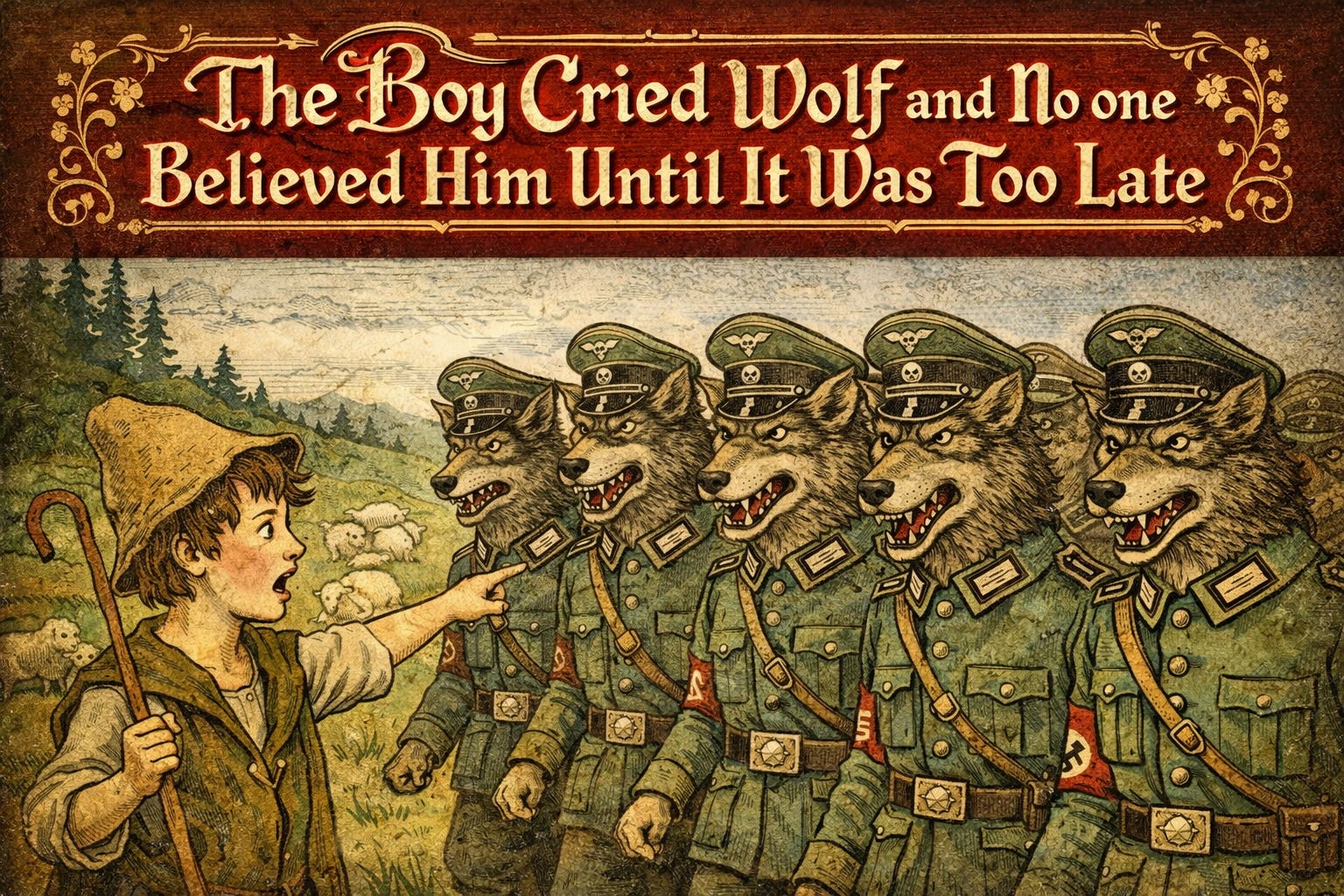
The classic fable of the boy who cried wolf has long been a staple in our cultural lexicon, offering a cautionary tale about the consequences of deception. But beyond the surface-level moral of not lying, this timeless story holds deeper insights into the complex dynamics of trust, credibility, and the perils of losing one's credibility.
The Fragility of Trust At the heart of this fable lies the fragility of trust. When the shepherd boy first begins to cry "wolf" for his own amusement, he is testing the patience and goodwill of the villagers. They dutifully respond to his cries, rushing to his aid only to find no threat. Over time, this repeated betrayal erodes their trust in the boy's warnings, until the day when a real wolf appears, and his cries fall on deaf ears.
This dynamic speaks to the delicate balance of trust that underpins any community or relationship. Trust, once broken, is incredibly difficult to rebuild. The villagers had invested their time and effort in responding to the boy's false alarms, only to be let down time and time again. Their willingness to believe him dwindled, and they became increasingly jaded, unwilling to risk being duped once more.
The Consequences of Losing Credibility The boy's actions ultimately led to the demise of his own flock and, potentially, his own life. By sacrificing his credibility for momentary amusement, he stripped himself of the ability to be heard when it truly mattered. This cautionary tale highlights the perils of losing one's credibility, a lesson that resonates far beyond the confines of the story.
In the real world, we see echoes of this dynamic playing out in various contexts. Politicians, pundits, and public figures who routinely make false or exaggerated claims often find themselves struggling to be taken seriously when a genuine crisis arises. Individuals who have a history of dishonesty or unreliability in their personal or professional lives often find it challenging to regain the trust of those around them.
The Importance of Accountability The fable of the boy who cried wolf also underscores the importance of accountability. The boy's actions were ultimately self-sabotaging, but the story suggests that the villagers also bore some responsibility for their own gullibility. By continuing to respond to the boy's cries, even after it became clear that he was not being truthful, they reinforced the behavior and enabled the deception to continue.
This dynamic highlights the need for both parties to uphold their end of the social contract. The boy had a responsibility to be honest and trustworthy, while the villagers had a responsibility to hold him accountable for his actions. When both sides fail to fulfill their obligations, the result can be a breakdown in the fabric of trust and communication.
Cultivating Credibility and Trust The lesson of the boy who cried wolf is not just about the consequences of deception, but also about the importance of building and maintaining credibility. In a world where information and opinions abound, the ability to be seen as a reliable and trustworthy source can be a powerful asset.
Individuals and organizations can cultivate credibility by consistently demonstrating integrity, transparency, and a commitment to the truth. This may involve acknowledging mistakes, providing clear and accurate information, and being willing to be held accountable for their actions. By establishing a track record of honesty and reliability, they can build the kind of trust that will be essential when a genuine crisis or challenge arises.
Ultimately, the fable of the boy who cried wolf serves as a timeless reminder of the importance of credibility, trust, and the consequences of deception. Its lessons continue to resonate in our modern world, where the need for truthfulness and accountability has perhaps never been more urgent.
"The truth doesn't hide. It waits for those brave enough to look."
The Wise Wolf