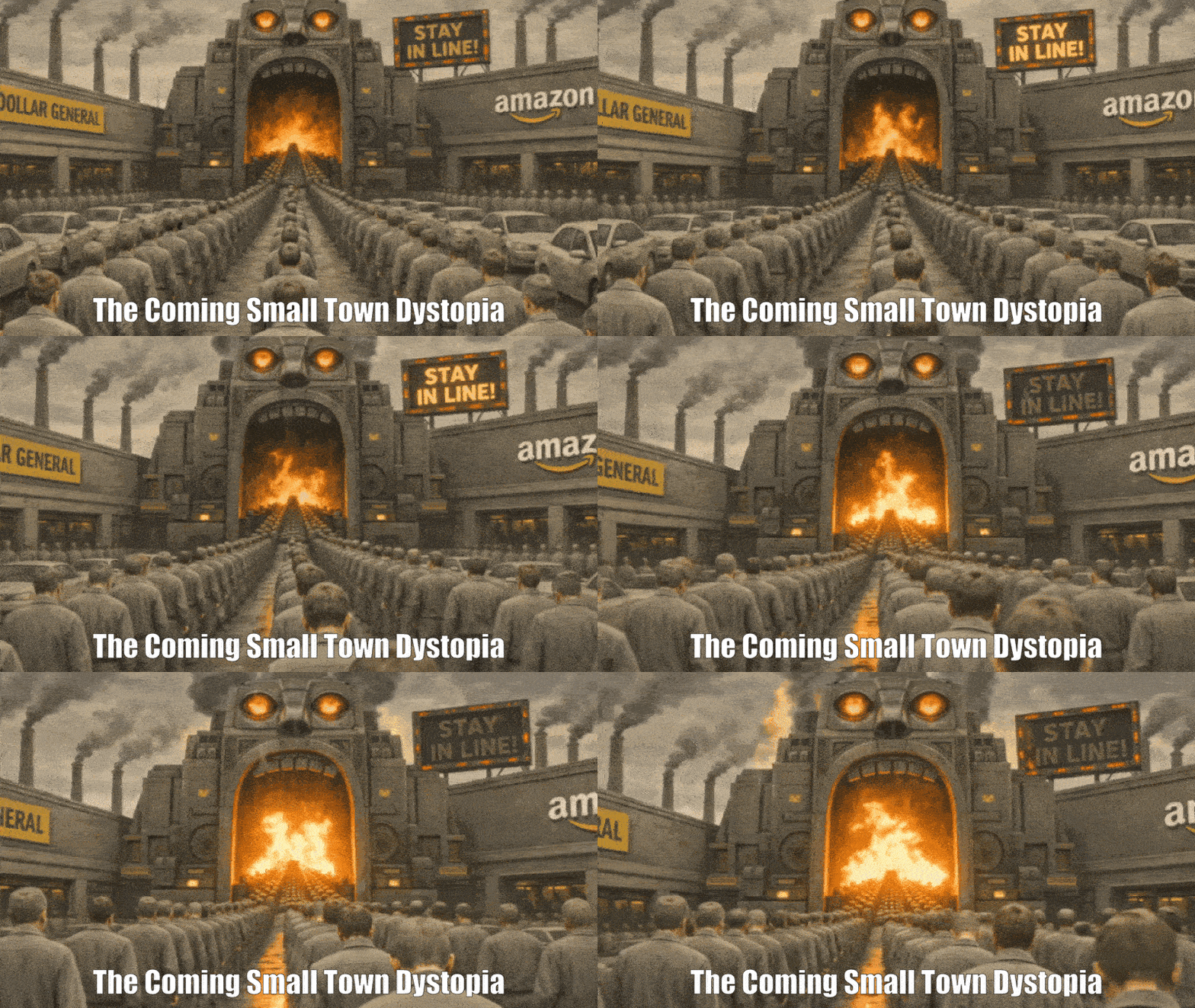
The once-vibrant Main Streets of small-town America are rapidly fading, replaced by the clinical aisles of corporate retail giants. As the soul of our nation slips away, we must confront the alarming trend of corporate consolidation and its devastating impact on local communities.
Homogenized Landscapes: The Dollar General Dilemma Across the country, the familiar sight of the local hardware store, family-owned pharmacy, or independent grocer is being supplanted by the ubiquitous presence of Dollar General stores. This retail behemoth, with its aggressive expansion strategy, has become a symbol of the corporate takeover of small-town America. As these generic, soulless outlets multiply, they erode the unique character and authenticity that once defined the heart of our communities.
The Slow Death of Main Street The rise of corporate chains has not only reshaped the physical landscape but also the economic and social fabric of small towns. As family-owned businesses struggle to compete with the deep pockets and buying power of national brands, they are forced to shutter their doors, leaving once-vibrant Main Streets barren and lifeless. The loss of these local institutions robs communities of their identity, traditions, and sense of community.
The Psychological Toll of Corporate Conformity The homogenization of small-town America has a profound psychological impact on its residents. The monotonous sameness of corporate retail environments, devoid of personal touch and local character, can contribute to feelings of alienation and a loss of community. As the unique charm and character of Main Street fades, so too does the sense of belonging and pride that once defined these tight-knit communities.
Reclaiming the Soul of Small-Town America In the face of these challenges, communities across the country are banding together to fight back against the corporate takeover of their towns. Through grassroots initiatives, local advocacy, and a renewed focus on supporting small businesses, residents are working to revitalize their Main Streets and restore the soul of their communities.
One such example is the "Buy Local" movement, which encourages consumers to prioritize shopping at independent, community-based businesses. By directing their dollars towards local entrepreneurs, residents are not only supporting the economic well-being of their town but also preserving the unique character and identity that makes their community special.
Additionally, communities are exploring innovative strategies to attract and retain small businesses, such as offering tax incentives, streamlining permitting processes, and providing access to resources and mentorship programs. These efforts empower local entrepreneurs to thrive and contribute to the vitality of Main Street.
Furthermore, community-driven initiatives like farmers' markets, art festivals, and cultural events help to celebrate the rich heritage and traditions that define small-town life. By fostering a sense of local pride and fostering social connections, these initiatives can counteract the isolating effects of corporate dominance and reinvigorate the spirit of the community.
Conclusion The erosion of small-town America is a complex and multifaceted issue, with far-reaching consequences for the soul of our nation. As corporate giants continue to encroach on the unique character of our communities, it is up to us, the citizens, to stand up and fight for the preservation of the local institutions and traditions that make our towns truly special.
By embracing a collective vision of resilience, community, and authenticity, we can reclaim the heart and soul of small-town America, ensuring that the next generation inherits a vibrant, thriving landscape that reflects the rich diversity and character of our nation.
"The truth doesn't hide. It waits for those brave enough to look."
The Wise Wolf