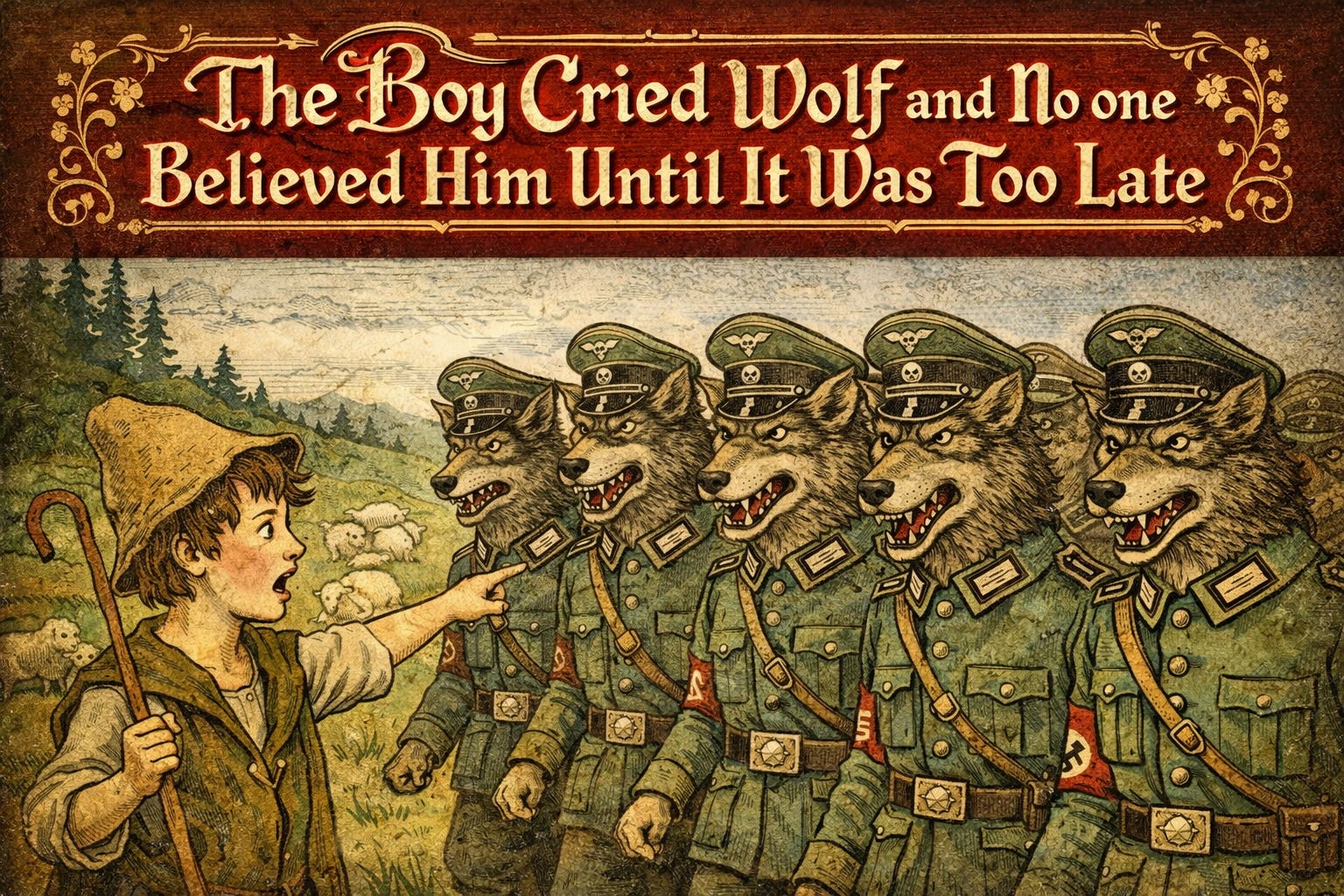
The classic fable of the boy who cried wolf has long been a staple in our cultural canon, warning us of the dangers of dishonesty and the erosion of trust. But in today's world of perpetual noise and information overload, this timeless tale holds an even deeper relevance, serving as a poignant metaphor for the challenges we face in discerning truth from fiction.
The Allure of Deception In the original story, a bored young shepherd resorts to trickery, falsely alerting the villagers to a non-existent threat in order to alleviate his own boredom. This desire for attention and excitement, even at the expense of honesty, is a temptation that continues to plague us in the digital age. Social media and clickbait headlines have conditioned us to seek out the sensational and the provocative, often at the cost of nuance and accuracy.
Navigating a Distrustful Landscape Just as the villagers in the parable became increasingly skeptical of the boy's cries, our modern society has grown weary of the endless stream of alarms and warnings that bombard us daily. From economic collapse to political upheaval, we are bombarded with dire predictions and apocalyptic scenarios, many of which fail to materialize. This constant state of heightened anxiety and distrust can lead us to become jaded, dismissing even the most legitimate concerns as mere fearmongering.
The Consequences of Disbelief The tragic conclusion of the classic tale serves as a stark reminder of the dangers of this collective disbelief. When the real wolf finally arrives, the villagers, having been conditioned to ignore the boy's cries, fail to heed the warning, with devastating consequences. In our own lives, this pattern of dismissing legitimate concerns can have equally dire consequences, whether it's ignoring early warning signs of economic upheaval or failing to take action on pressing societal issues.
Restoring Trust in a Distrustful World The parable of the boy who cried wolf offers a powerful lesson in the importance of maintaining trust and credibility, even in the face of overwhelming noise and distraction. By cultivating a more discerning and critical eye, we can learn to separate genuine concerns from mere sensationalism, and respond accordingly. This requires a willingness to engage deeply with the complexities of the world around us, to seek out reliable sources of information, and to remain open-minded and willing to change our perspectives as new evidence emerges.
Ultimately, the lesson of the boy who cried wolf is not one of cynicism or despair, but rather a call to action. It challenges us to be more thoughtful, more responsible, and more accountable in our communication and decision-making. Only by embracing these principles can we hope to navigate the treacherous landscape of our distrustful times and ensure that when the real "wolves" of the world emerge, we are prepared to heed the warning and respond accordingly.
"The truth doesn't hide. It waits for those brave enough to look."
The Wise Wolf