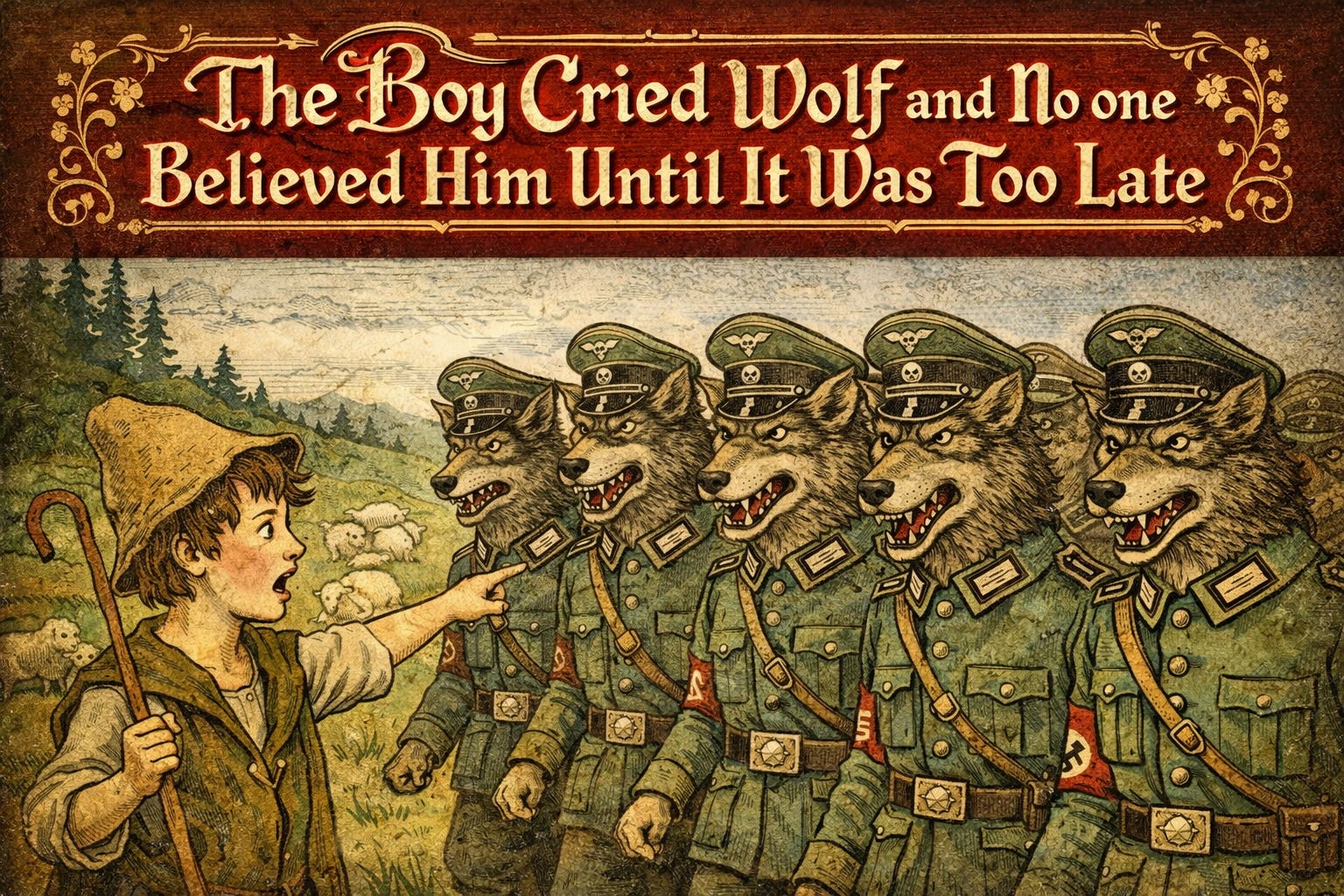
Disbelief can be a powerful force, both in our personal lives and in the broader social and economic landscape. The classic tale of the shepherd boy who cried wolf serves as a poignant reminder of the consequences that can arise when our skepticism and distrust override our ability to recognize genuine warnings.
Cry Wolf, Cry Foul Much like the shepherd boy, those who have sounded the alarm on impending economic crises have often been met with a similar fate. Time and time again, predictions of market crashes, recessions, and financial meltdowns have been dismissed as the cries of alarmists, only to be proven right when the proverbial wolf arrives.
The lead-up to the 2008 financial crisis is a prime example. Economists and financial experts who warned of the impending housing bubble and the risks posed by subprime mortgages were often ridiculed or ignored. Their warnings were seen as the rantings of doomsday prophets, not the measured assessments of seasoned professionals.
Cognitive Biases and the Illusion of Certainty One of the key factors that contributes to this phenomenon is the human tendency to succumb to cognitive biases. We often cling to our existing beliefs and dismiss information that challenges our preconceptions. This is known as confirmation bias, and it can lead us to disregard legitimate concerns in favor of a more comforting narrative.
Moreover, we tend to overestimate our ability to predict future events, a cognitive bias known as the illusion of certainty. When presented with complex, multifaceted issues like the economy, we may be tempted to believe that we have a firm grasp on the situation, even when the reality is much more uncertain.
The Consequences of Disbelief The consequences of disbelief can be severe, both for individuals and for society as a whole. In the case of the shepherd boy, the villagers' unwillingness to heed his warnings ultimately led to the loss of their flock and, potentially, the boy himself.
Similarly, the failure to recognize and respond to economic warning signs can have devastating effects. The 2008 financial crisis, for example, resulted in millions of lost jobs, trillions of dollars in lost wealth, and a prolonged period of economic hardship for countless individuals and families.
Learning from the Past The tale of the shepherd boy and the wolf serves as a cautionary tale, reminding us of the importance of maintaining an open and critical mind when it comes to assessing threats and risks. By being mindful of our cognitive biases and the limitations of our own knowledge, we can strive to create a more resilient and responsive economic system, one that is better equipped to weather the storms of the future.
"The truth doesn't hide. It waits for those brave enough to look."
The Wise Wolf