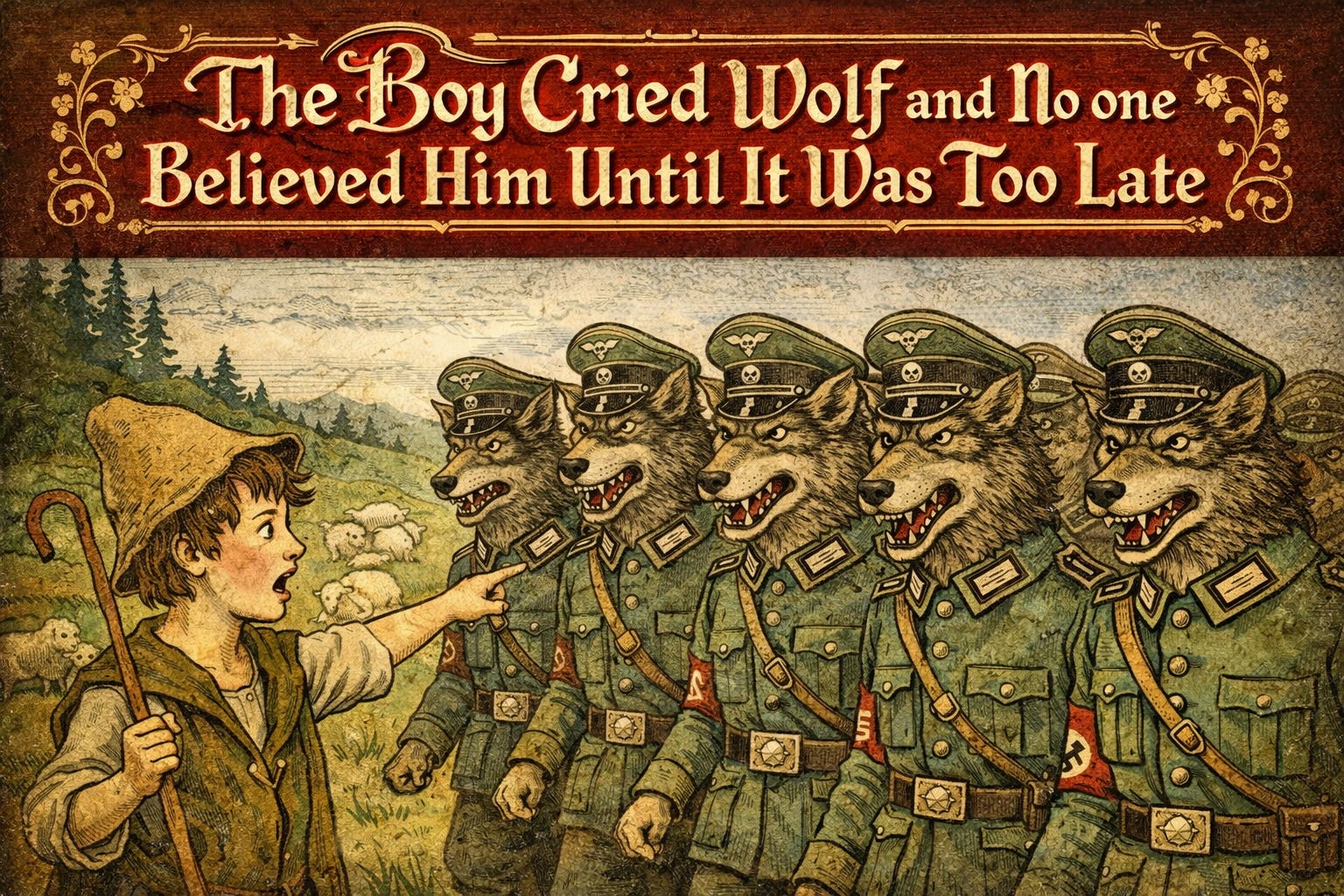
In the classic fable of the Boy Who Cried Wolf, we are confronted with a cautionary tale that holds profound lessons for our modern world. On the surface, it's a simple story about a mischievous shepherd boy who tricks his village one too many times, leading to a tragic outcome when a real wolf appears. But beneath the surface, this tale offers a powerful commentary on the consequences of dismissing warning signs and the importance of maintaining trust and credibility.
The Danger of Desensitization As the story unfolds, we witness the gradual desensitization of the villagers to the boy's cries. Initially, they respond with urgency, rushing to his aid. But as the false alarms continue, their trust and sense of urgency begin to erode. They become increasingly skeptical, choosing to ignore the boy's warnings, convinced that he is once again engaged in a harmless prank.
This dynamic is all too familiar in our own lives, both on a personal and societal level. We are constantly bombarded with a barrage of information, from news headlines to social media updates, and it's easy to become desensitized to the constant stream of warnings and alerts. When we encounter a genuine threat or crisis, our instinctive reaction may be to dismiss it as just another false alarm, with disastrous consequences.
The Importance of Credibility The fable of the Boy Who Cried Wolf also serves as a powerful reminder of the importance of credibility. The boy's initial mischievous actions, while seemingly harmless, ultimately undermine his ability to be taken seriously when a real threat emerges. Once the villagers have lost faith in his honesty, they are unwilling to believe him, even when the danger is real.
This lesson extends far beyond the confines of the story. In our modern world, where information is currency and trust is a precious commodity, maintaining credibility is crucial. Whether it's a politician, a news source, or a trusted expert, the loss of credibility can have far-reaching and devastating effects. When we fail to heed the warnings and dismiss the voices of those who have earned our trust, we risk being caught unawares when the proverbial wolf arrives.
Lessons for the Modern World The Boy Who Cried Wolf serves as a poignant metaphor for the challenges we face in our complex and rapidly changing world. From economic crises to environmental threats, we are constantly bombarded with warnings and predictions, many of which may seem far-fetched or exaggerated. It's easy to become jaded, to dismiss these warnings as mere fear-mongering or political posturing.
However, the lesson of the fable reminds us that we do so at our own peril. Just as the villagers in the story paid a heavy price for their complacency, we too must be vigilant in heeding the warnings and taking appropriate action. By maintaining a critical eye and a willingness to listen to credible voices, we can better prepare ourselves for the challenges that lie ahead.
In a world that seems increasingly unpredictable and chaotic, the story of the Boy Who Cried Wolf offers a timeless reminder of the importance of trust, credibility, and the need to take seriously the warnings that may seem far-fetched or alarmist. As we navigate the complexities of the modern era, let us learn from the mistakes of the past and heed the lessons of this timeless tale, lest we too fall victim to the consequences of our own complacency.
"The truth doesn't hide. It waits for those brave enough to look."
The Wise Wolf