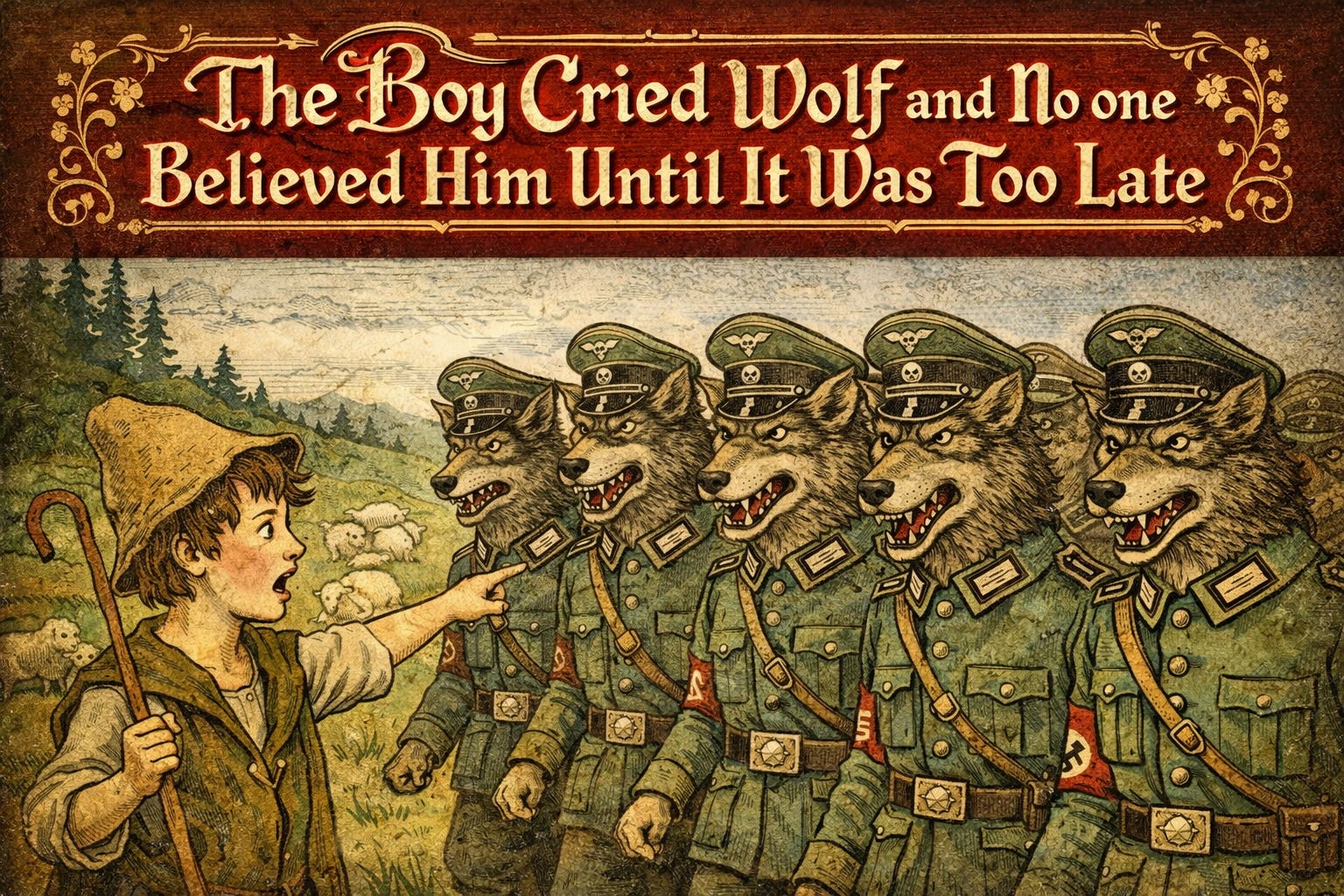
Imagine a world where the cries for help go unheeded, where the alarm bells are silenced by a chorus of disbelief. This is the cautionary tale of the boy who cried wolf - a story that holds a mirror to our own lives, challenging us to heed the warnings before it's too late.
In the classic fable, a young shepherd boy, bored with the monotony of his daily duties, decides to have some fun at the expense of the villagers. He shouts "Wolf! Wolf!" and watches with glee as the unsuspecting townspeople rush to his aid, only to find no threat. Amused by their gullibility, the boy repeats his prank, further eroding the trust of the community.
But when a real wolf finally appears, the boy's cries fall on deaf ears. The villagers, having been deceived one too many times, refuse to believe him, and the unthinkable occurs - the wolf devours the helpless sheep, and perhaps even the boy himself.
This timeless story serves as a poignant metaphor for the consequences of broken trust and the dangers of complacency. As we navigate the complexities of our modern world, it's essential to heed the lessons it imparts.
The Perils of Crying Wolf In our fast-paced, information-driven society, the temptation to cry wolf can be overwhelming. Whether it's politicians warning of impending economic collapse, pundits predicting the next market crash, or social media influencers hyping the latest must-have product, the cacophony of voices vying for our attention can be deafening.
Yet, like the boy in the fable, those who constantly raise the alarm, even when no true danger exists, risk eroding the trust of those they seek to protect. When the real crisis arrives, their warnings may fall on deaf ears, with catastrophic consequences.
The lesson is clear: we must be discerning consumers of information, separating fact from fiction, and reserving our alarm for genuine threats. By maintaining a critical eye and a level head, we can avoid becoming victims of our own complacency.
The Importance of Credibility In the age of social media and ubiquitous information, the currency of credibility has never been more valuable. As individuals and institutions vie for our attention, it's essential to assess the source and reliability of the information we consume.
Just as the villagers in the fable lost faith in the boy's warnings, so too can we become disillusioned with those who have squandered their credibility. Whether it's a politician caught in a lie, a news outlet accused of bias, or a celebrity endorsing a dubious product, the erosion of trust can have far-reaching consequences.
By cultivating a reputation for honesty, integrity, and accountability, we can ensure that our voices are heard and heeded when it truly matters. This requires a steadfast commitment to the truth, even in the face of temptation or pressure to exaggerate or deceive.
Heeding the Warnings As we navigate the complexities of the modern world, it's essential to remain vigilant and attuned to the warning signs that may emerge. Whether it's the rumblings of economic instability, the looming threat of environmental catastrophe, or the rise of authoritarian regimes, we must be willing to heed the warnings and take action before it's too late.
Yet, as the boy in the fable discovered, the challenge lies in convincing others to take those warnings seriously. By fostering a culture of trust, transparency, and accountability, we can create an environment where the cries for help are met with a swift and resolute response.
The Wolf at the Door In the end, the moral of the boy who cried wolf is not merely a cautionary tale about the consequences of deception, but a profound reflection on the human condition. It reminds us that our actions, even those born of boredom or mischief, can have far-reaching implications, and that the trust we squander today may be the very thing that saves us tomorrow.
As we face the wolf at the door, whether in the form of economic upheaval, social unrest, or global crises, it's up to us to heed the warnings and take action. By cultivating a culture of trust, accountability, and vigilance, we can ensure that when the true danger arrives, our cries for help will not fall on deaf ears.
"The truth doesn't hide. It waits for those brave enough to look."
The Wise Wolf