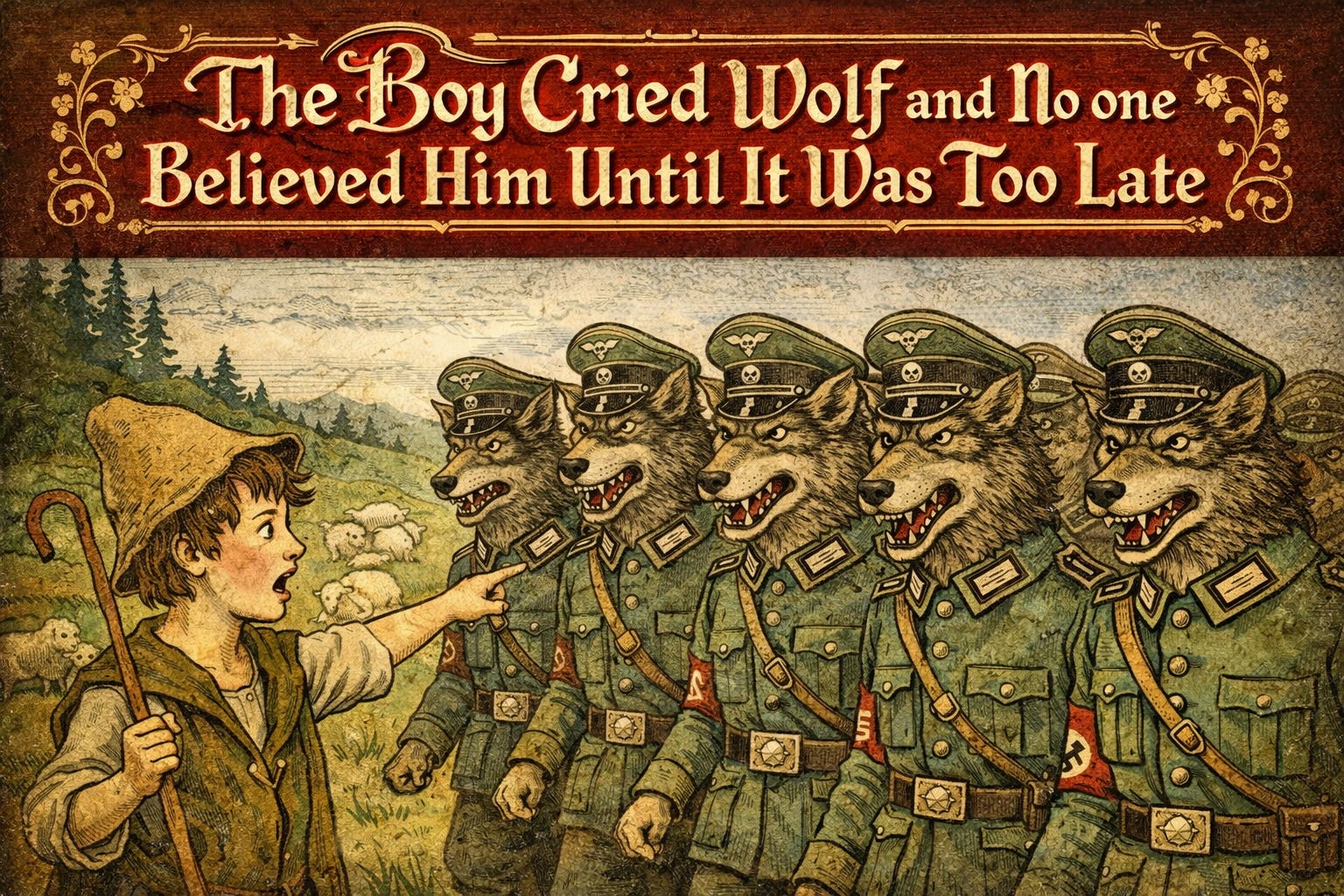
HOOK Imagine you’re a shepherd watching over your flock, and suddenly you see danger lurking in the distance. You shout “Wolf!” but no one believes you. This is the essence of our current economic climate—crying wolf so often that when real peril approaches, who will listen?
CONTEXT In today’s tumultuous global landscape, the echoes of past economic warnings reverberate with renewed urgency. As we grapple with unprecedented challenges, from inflation to geopolitical tensions, many are wondering if this time the wolves are real.
MAIN ANALYSIS
**The Fable Revisited** The tale of the boy who cried wolf serves as a cautionary reminder in our economic narrative. For years, various pundits have been warning about impending doom—hyperinflation, stock market crashes, and even the collapse of the U.S. dollar. Peter Schiff has been among those predicting apocalyptic scenarios since the 1990s. Yet, despite their persistent warnings, economic stability has prevailed.
**Modern-day Wolves** In our modern context, these "boys crying wolf" represent a plethora of economists, survivalists, and doomsday theorists who have been predicting the end of times for decades. They preach the gospel of gold investments and stock up on freeze-dried food as if the apocalypse is around the corner.
**Biblical Parallels** The Bible itself warns us against false prophets: “Beware of false prophets, which come to you in sheep's clothing, but inwardly they are ravening wolves” (Matthew 7:15). Just as these prophets can lead astray with their predictions, so too can economic forecasters who cry wolf repeatedly.
**Current Economic Turmoil** As we witness record-breaking inflation rates and geopolitical tensions rising, many are left wondering if this time the warnings hold weight. The Great Reset, a global initiative to rebuild economies post-pandemic, is often viewed through the lens of conspiracy theorists as part of a "new world order" agenda.
**Prophecy Fulfilled?** Some believe that current events align with biblical prophecies, particularly those found in Revelation: “And the fourth angel poured out his vial upon the sun; and power was given unto him to scorch men with fire” (Revelation 16:8). These scriptures are interpreted by some as warnings of economic tribulation.
FAQ SECTION
Q: What does the boy who cried wolf mean biblically? A: Biblically, it can be seen as a warning against false prophets and the danger of crying wolf repeatedly. When genuine dangers arise, people may not believe the warnings due to past false alarms.
Q: Is our current economic situation a sign of the end times? A: While many see parallels between current events and biblical prophecies, the interpretation varies widely among believers. Some view these challenges as part of the broader picture painted in Revelation.
"The truth doesn't hide. It waits for those brave enough to look."
The Wise Wolf