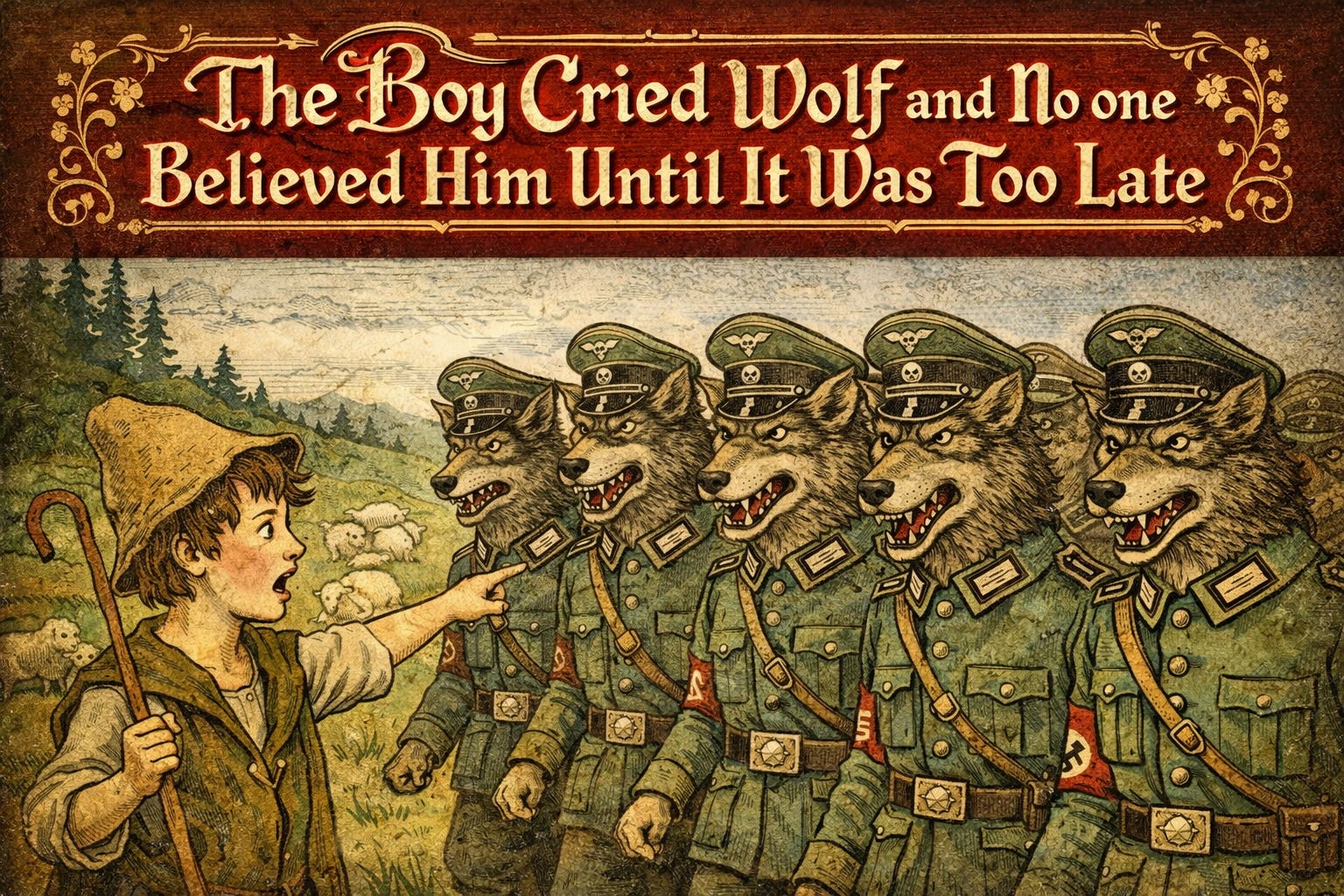
Beneath the simplicity of the classic fable "The Boy Who Cried Wolf" lies a profound lesson about the consequences of disregarding warning signs. This timeless tale serves as a poignant metaphor for how ignoring or dismissing early indicators can lead to disastrous outcomes, both on an individual and societal level.
## The Danger of Complacency
At the heart of the story is the shepherd boy's growing boredom and desire for attention. Faced with the monotony of tending to his flock, he resorts to raising false alarms, knowing that the villagers will come rushing to his aid. While initially successful in generating a response, the boy's constant cries of "Wolf!" eventually erode the trust of the community. When a real threat emerges, his pleas for help fall on deaf ears, leading to the tragic loss of his sheep and, quite possibly, his own demise.
This scenario reflects a common human tendency: the propensity to become complacent and dismissive when confronted with repeated warnings or alarm signals. Whether in the realm of personal finance, public health, or geopolitical tensions, we often find ourselves lulled into a false sense of security, believing that the threat has passed or that it was merely a fabrication. However, as the fable illustrates, this mindset can have catastrophic consequences when the real danger finally materializes.
## Recognizing the Signals
One of the key lessons from the "Boy Who Cried Wolf" is the importance of discernment. While it's true that the boy's initial warnings were false, that does not negate the possibility of a genuine threat in the future. The villagers' mistake was in generalizing from their past experiences and assuming that all future alarms were equally unfounded.
In the real world, we are often faced with a deluge of information and warnings, making it challenging to separate the credible from the spurious. This is where critical thinking and a willingness to investigate become essential. By carefully examining the evidence, seeking out expert opinions, and maintaining a level of vigilance, we can better distinguish genuine warning signs from attention-seeking cries.
## The Consequences of Inaction
The tragic ending of the fable serves as a stark reminder of the consequences of ignoring or dismissing warning signs. When the real wolf finally arrives, the villagers' complacency and disbelief lead to the loss of the sheep, and potentially the boy's life as well. This outcome underscores the importance of taking early action and responding appropriately to emerging threats.
In the real world, the stakes can be even higher. From economic crises to geopolitical conflicts, the failure to heed warning signals can have far-reaching and devastating consequences. Individuals may lose their life savings, communities may suffer from the collapse of critical infrastructure, and nations may find themselves embroiled in devastating wars.
## Learning from the Past, Preparing for the Future
The enduring appeal of the "Boy Who Cried Wolf" lies in its ability to transcend the specifics of the story and speak to the universal human condition. By examining this fable through a more analytical lens, we can uncover valuable insights that can be applied to our modern world.
The key is to strike a balance between maintaining a healthy skepticism and being open to genuine warning signs. We must learn to discern the difference between false alarms and legitimate concerns, and be willing to act decisively when the real threat presents itself. By doing so, we can not only protect ourselves and our communities but also contribute to a more resilient and prepared society.
"The truth doesn't hide. It waits for those brave enough to look."
The Wise Wolf