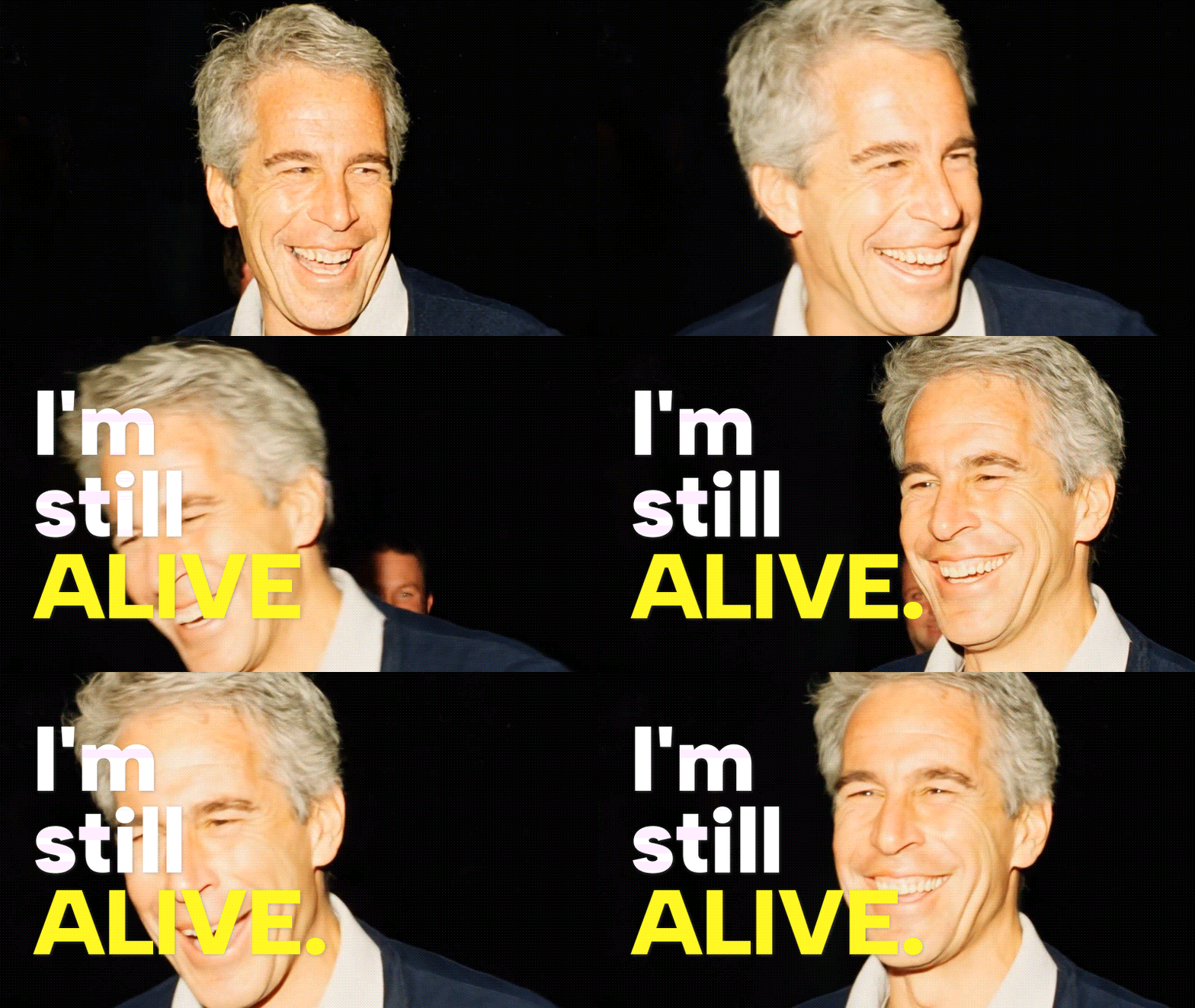
In the wake of the Jeffrey Epstein scandal, the mainstream media has faced intense scrutiny for its apparent reluctance to delve deeper into the web of connections and cover-ups surrounding the disgraced financier. While the public demands answers and accountability, the media's muted response has raised disturbing questions about the extent to which corporate interests and elite power structures have infiltrated the very institutions tasked with keeping the public informed.
The Illusion of Journalistic Independence It's no secret that the media landscape is dominated by a handful of powerful conglomerates, each with its own set of political and financial agendas. However, the Epstein case has laid bare the alarming degree to which these interests have compromised the media's ability to report the truth. The sheer volume of redactions and omissions in the recently released Epstein files, with Trump's name appearing over a million times, has left many wondering: why is the mainstream narrative so determined to downplay this explosive story?
The Chilling Effect of Corporate Influence The answer lies, in part, in the financial and political ties that bind the media to the very individuals and institutions implicated in the Epstein scandal. Advertisers, shareholders, and powerful elites exert a profound influence over the media's editorial decisions, creating a chilling effect that encourages self-censorship and the suppression of stories that may threaten their interests. This dynamic is not new, as Paddy Chayefsky's prophetic film "Network" so eloquently captured decades ago.
Challenging the Narrative: The Role of Independent Media In the face of this institutional capture, independent media outlets have emerged as beacons of truth, unafraid to delve into the dark underbelly of the Epstein case and expose the connections that the mainstream media has so diligently obscured. These alternative voices, unencumbered by corporate agendas, have provided a vital counterpoint to the sanitized narratives peddled by the traditional media.
Reclaiming the Fourth Estate The Epstein scandal has laid bare the urgent need to reclaim the integrity of the fourth estate. If the media is to fulfill its vital role as a watchdog of power and a conduit of truth, it must break free from the shackles of corporate influence and elite capture. This will require a fundamental shift in the media landscape, one that prioritizes journalistic independence, transparency, and a unwavering commitment to the public good.
"The truth doesn't hide. It waits for those brave enough to look."
The Wise Wolf