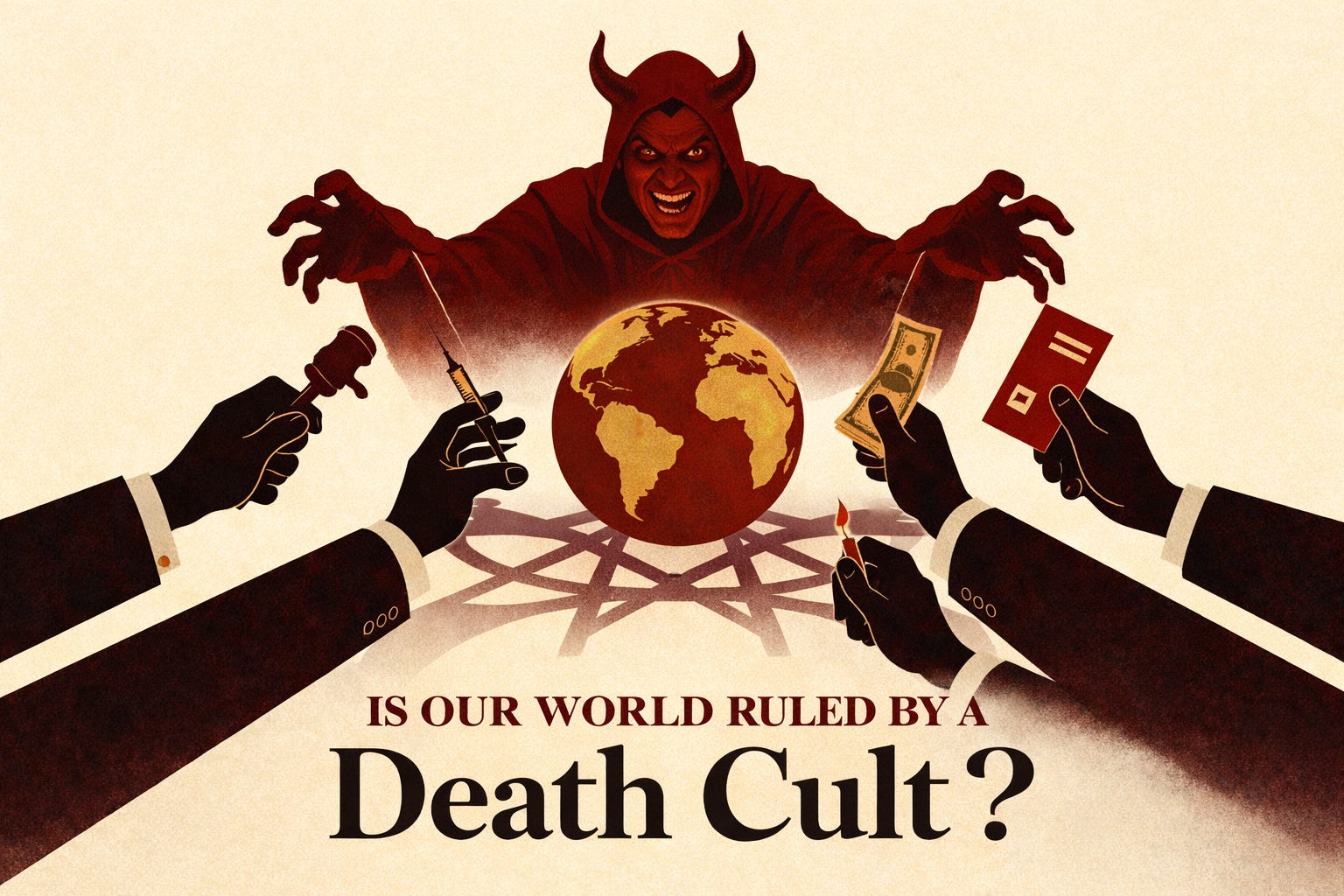
The 1980s were a tumultuous time, marked by a widespread moral panic surrounding the perceived rise of Satanism and the occult in popular culture. Parents across America were up in arms, fearing that their children were being lured into the dark world of the supernatural through seemingly innocuous activities like playing Dungeons & Dragons or listening to heavy metal music. This phenomenon, known as the "Satanic Panic," was a time of heightened anxiety and paranoia, with many believing that an organized Satanic cult had infiltrated the very fabric of society.
Today, as we look back on this era, it's easy to dismiss the Satanic Panic as an overreaction, a product of the social and cultural anxieties of the time. However, as we delve deeper into the current state of pop culture, it's worth reconsidering whether there may be some truth to the underlying concerns that fueled the Satanic Panic – or at the very least, a need to critically examine the subtle (and not-so-subtle) ways in which Satanic and occult themes have crept into the mainstream.
The Creeping Influence of Satanic Symbolism in Pop Culture
One need look no further than the annual Super Bowl halftime show to see the potential influence of Satanic symbolism in pop culture. Year after year, these elaborate performances feature a bewildering array of occult imagery, from robed figures to floating eyeballs and fiery ceremonies. While defenders of these spectacles may argue that they are merely artistic expressions or nods to the dark and mysterious, it's difficult to ignore the unsettling undercurrent that permeates these displays.
This trend is not limited to the Super Bowl, either. Throughout the music industry, artists have long flirted with Satanic and occult themes, from the infamous "backward masking" allegations in heavy metal to the more recent controversy surrounding Beyoncé's "Formation" video, which some have claimed contains Illuminati symbolism. Even in the world of fashion, high-profile designers have incorporated Satanic and occult imagery into their collections, blurring the line between artistic expression and the normalization of such themes.
The Dangers of Desensitization
As these Satanic and occult themes become increasingly prevalent in mainstream pop culture, there is a legitimate concern that the general public is becoming desensitized to their significance and potential dangers. Just as the Satanic Panic of the 1980s was fueled by a genuine fear of the corrupting influence of the occult, the modern-day embrace of such themes in popular media raises important questions about the long-term impact on the collective psyche of society.
At its core, the issue is not about censorship or the suppression of artistic freedom. Rather, it's about the need to critically examine the underlying messages and symbolism being transmitted through the media we consume, particularly when it comes to the impressionable minds of children and young adults. As the line between entertainment and indoctrination becomes increasingly blurred, it's crucial that we remain vigilant and engage in open, informed dialogue about the potential consequences of this trend.
Conclusion
While the Satanic Panic of the 1980s may have been an overreaction in many ways, the current state of pop culture suggests that there may be some validity to the underlying concerns that fueled it. The pervasive presence of Satanic and occult imagery in mainstream media is a troubling development that deserves our collective attention and scrutiny. By engaging in thoughtful discourse and challenging the normalization of these themes, we can work to ensure that the next generation is not inadvertently drawn into the dark underbelly of popular culture.
"The truth doesn't hide. It waits for those brave enough to look."
The Wise Wolf