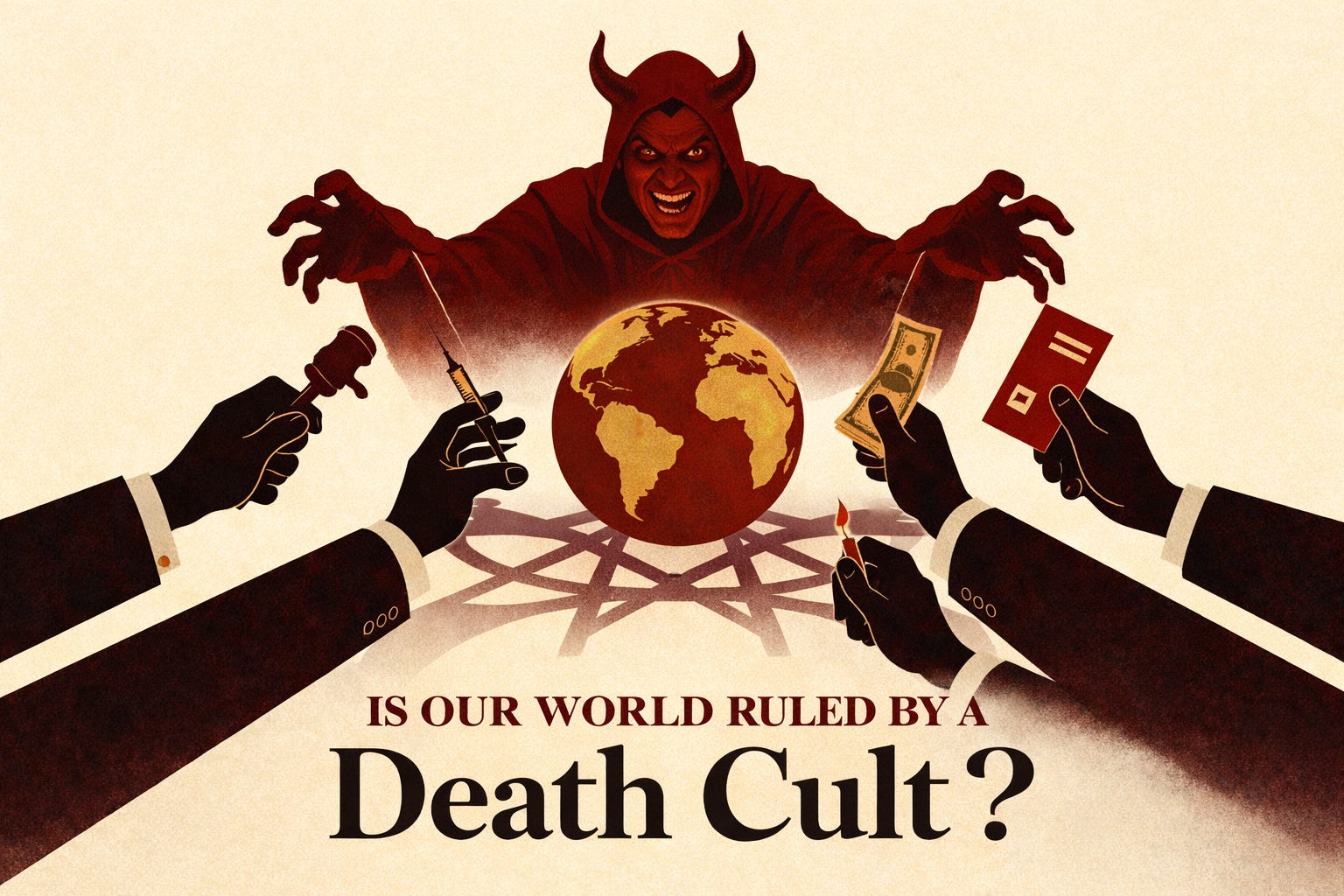
In the ever-evolving landscape of popular culture, the debate surrounding the alleged Satanic influences has resurfaced with renewed vigor. As we delve into the intricacies of this complex issue, it's essential to approach it with a critical and open-minded perspective, shedding light on the nuances that often get overshadowed by sensationalism.
The Satanic Panic of the 1980s may have subsided, but its legacy continues to cast a long shadow over our understanding of the relationship between the occult and mainstream entertainment. While the initial reactions may have been an overreaction, it's worth examining whether the concerns raised during that time held any merit or if they were merely a product of societal fear and misunderstanding.
The Ambiguity of Symbolism One of the central arguments made by those who believe in a Satanic influence in popular culture is the prevalence of occult symbolism in various forms of entertainment. From the intricate choreography of the Super Bowl halftime show to the imagery found in music videos and album covers, these symbols are claimed to be deliberate attempts to indoctrinate the masses into a sinister, Satanic agenda.
However, the interpretation of these symbols is often a matter of subjective perception. What one individual may see as a nefarious representation of the occult, another may view as an artistic expression or a mere aesthetic choice. The ambiguity of symbolism is a double-edged sword, as it allows for multiple interpretations, both benign and malicious.
The Blurred Lines of Entertainment and Spirituality Another aspect of this debate revolves around the blurred lines between entertainment and spirituality. The entertainment industry, in its quest for shock value and attention-grabbing spectacles, has often incorporated elements from various belief systems, including those associated with the occult. While this may be done purely for artistic or commercial purposes, it can be perceived as a deliberate attempt to desensitize the public and normalize the presence of these esoteric elements.
The challenge lies in distinguishing between genuine spiritual exploration and mere sensationalism. Critics argue that the entertainment industry's use of occult symbolism and references to the darker realms of the human psyche can have a subversive influence, subtly shaping the collective consciousness of the masses. Proponents, on the other hand, may counter that artistic expression should not be constrained by religious or ideological boundaries, as it can serve as a platform for cultural discourse and personal growth.
The Importance of Critical Thinking Ultimately, the debate surrounding the alleged Satanic influence in popular culture underscores the importance of critical thinking and the willingness to examine complex issues from multiple perspectives. While it's easy to succumb to the temptation of simplistic explanations or conspiracy theories, it's crucial to approach this topic with nuance, nuance, and a commitment to understanding the deeper societal and psychological factors at play.
By delving into the nuances of symbolism, the interplay between entertainment and spirituality, and the role of personal and collective interpretation, we can gain a more comprehensive understanding of the forces shaping the cultural landscape. This approach allows us to move beyond the knee-jerk reactions of the past and engage in a meaningful dialogue that considers the diverse perspectives and lived experiences of individuals and communities.
In the end, the power lies not in the symbols themselves, but in how we choose to interpret and engage with them. By fostering a culture of critical inquiry and open-mindedness, we can navigate the complexities of this debate and find a path forward that promotes understanding, tolerance, and the celebration of the rich tapestry of human creativity and expression.
"The truth doesn't hide. It waits for those brave enough to look."
The Wise Wolf