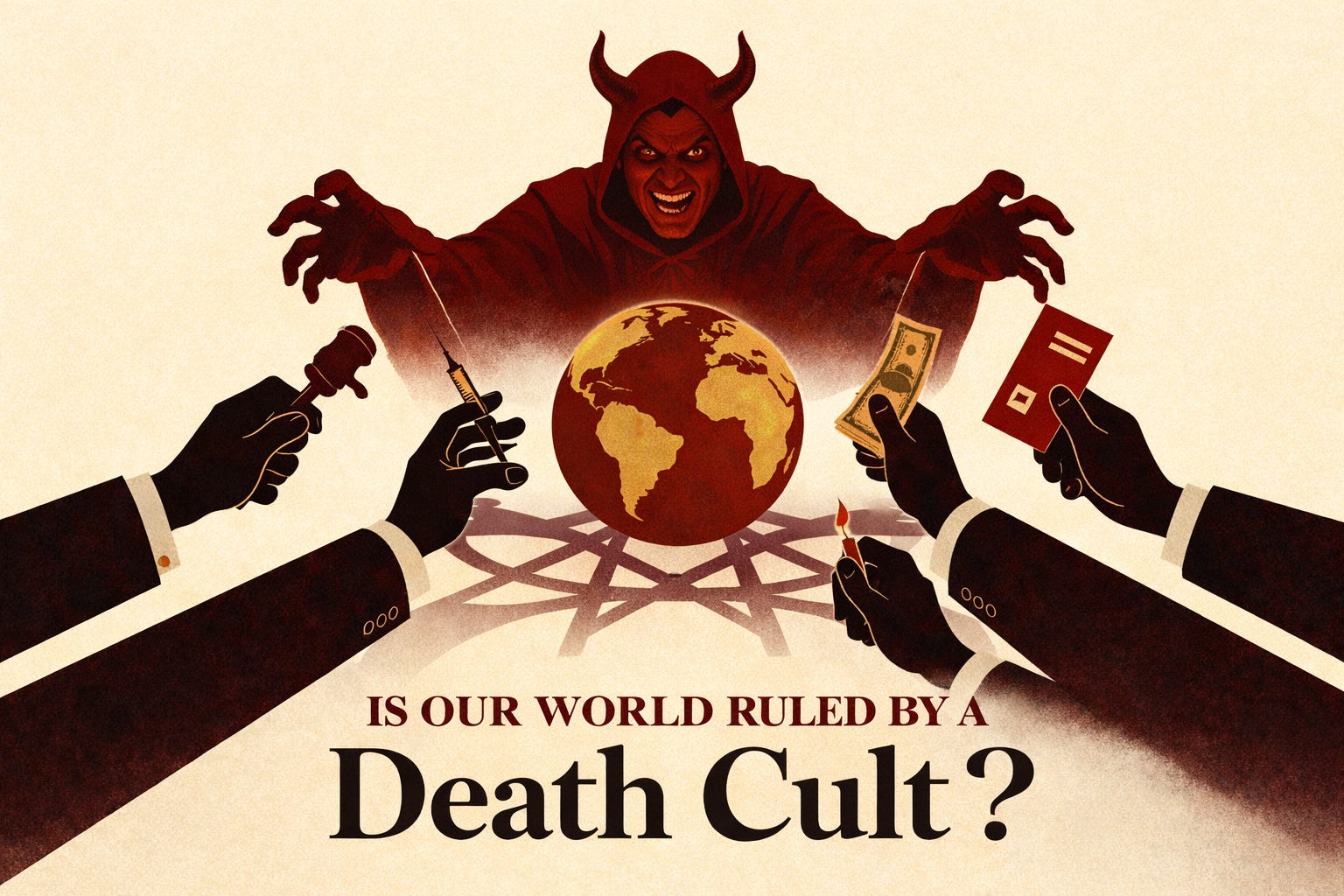
In the not-so-distant past, the mere mention of occult symbols or dark imagery would have elicited widespread panic and moral outrage. The Satanic Panic of the 1980s was a testament to the deep-seated unease that many Americans felt towards anything that seemed to flirt with the supernatural or the macabre. However, as the decades have passed, it seems that our collective tolerance for such taboo subject matter has shifted dramatically.
The Subtle Seduction of the Esoteric
Gone are the days when parents would launch crusades against the mere possession of a Ouija board or the playing of an album by a heavy metal band. Today, the very symbols and iconography that once sparked such visceral reactions have become increasingly mainstream and even celebrated. From the rise of occult-inspired fashion trends to the proliferation of neo-pagan and Satanic themes in popular culture, it's as if the boundaries between the sacred and the profane have become blurred beyond recognition.
The question that begs to be asked is: why? What is it about the allure of the esoteric and the forbidden that has captured the collective imagination of our society? Is it a mere fascination with the taboo, or is there something more sinister at play?
The Commodification of the Occult
One possible explanation lies in the way that the occult has been commodified and packaged for mass consumption. In an era where everything from spirituality to fashion has been transformed into a lucrative industry, it's no surprise that the occult has become yet another commodity to be marketed and sold.
From crystal-infused beauty products to Tarot-themed home decor, the trappings of the occult have become a status symbol, a way for the culturally savvy to signal their sophistication and edginess. The proliferation of these occult-adjacent products and experiences has normalized the very symbols and practices that once inspired such fear and loathing.
The Normalization of the Abnormal
This normalization of the occult has had a profound impact on our collective psyche. As we become increasingly exposed to dark imagery and esoteric symbolism, it becomes easier for us to accept it as part of the mainstream. The once-taboo becomes the new normal, and the boundaries between the sacred and the profane become increasingly blurred.
This shift has not gone unnoticed by those who wield power and influence. The use of occult symbolism and imagery in high-profile events, such as the Super Bowl halftime show, can be seen as a deliberate attempt to condition the public to accept and even embrace the very things that they once found abhorrent.
The Dangers of Complacency
The question that we must grapple with is whether this gradual normalization of the occult is truly harmless. While the Satanic Panic of the 1980s may have been an overreaction, it is important to recognize that there are legitimate concerns about the influence of dark and occult forces on our society.
As we become increasingly desensitized to the presence of these symbols and practices, we risk losing our ability to critically examine their implications. We may find ourselves lulled into a false sense of security, believing that the dangers of the occult have been overstated or that we are immune to their influence.
The Responsibility to Stay Vigilant
It is vital that we remain vigilant and resist the temptation to simply accept the normalization of the occult as a harmless cultural trend. We must be willing to engage in honest and critical dialogue about the potential dangers of this shift, and to challenge the forces that seek to exploit our fascination with the esoteric and the forbidden.
Only by maintaining a clear-eyed understanding of the deeper implications of this phenomenon can we hope to navigate the treacherous waters of a society that seems increasingly captivated by the allure of the dark and the mysterious.
"The truth doesn't hide. It waits for those brave enough to look."
The Wise Wolf